

Did you know the average consumer sees over 4,000 ads every single day ? In this era of constant digital noise, the cost of social media advertising mistakes climbs higher than many realize. Even small slipups can drain your budget, damage brand credibility, and leave you lost in a crowded feed. Whether you run a media ad campaign for a startup or manage paid social for a global brand, understanding—and avoiding—these costly errors will set you apart in a world where every click and impression matters.
Why Social Media Advertising Errors Cost More Than You Realize
“The average consumer is exposed to around 4,000 to 10,000 ads each day.” — Forbes

Making avoidable mistakes in social media advertising doesn’t just waste ad spend —it can directly harm your brand awareness and ability to compete. When media ads miss the mark, they don’t just go unnoticed; they risk alienating your target audience or, worse, making your brand seem disconnected and irrelevant. In an ecosystem where social ads must cut through a perpetual scroll of entertainment, news, and promotions, even a single misstep can push your product or service off your customer’s radar for good.
A poorly optimized advertising campaign leads to lost time, missed growth opportunities, and sometimes, irreparable reputational damage. Brands that continually overlook critical factors such as platform specifics, creative testing, or correct targeting struggle to build long-term loyalty or sustained ROI. That’s why taking the time to identify and sidestep these pitfalls is not just prudent—it’s essential for meaningful success in modern media marketing .
The Impact of Social Media Advertising on Brand Visibility
Social media advertising plays a pivotal role in brand visibility . Platforms such as Facebook, Instagram, TikTok, and LinkedIn are not just channels for broadcasting messages—they’re dynamic communities where stories are shared and opinions formed. A well-crafted media ad can instantly multiply your reach, engage prospects right where they spend their time, and boost your brand’s credibility within key networks.
On the flip side, ignoring platform nuances and audience trends risks your ads falling flat. A Facebook ad that performs well for B2C audiences might fail on LinkedIn, where users seek professional content. Conversely, a TikTok ad needs a lively, fast-paced creative style to capture attention among younger demographics. The brands that thrive are those who recognize these differences and leverage each social media platform as a unique opportunity to connect and inspire.
Understanding Social Media Advertising and Its Role in Modern Marketing
Social media advertising has transformed modern marketing. Today’s media platforms aren’t just passive channels—they’re hubs of community, influence, and commerce. Smart brands use targeted social media ads to reach new customers, nurture leads, and fuel media marketing strategies that drive measurable business outcomes. But not every platform—or ad format—is created equal.
| Platform | Ad Reach | Average Engagement | Typical Conversion Rate | Best For |
|---|---|---|---|---|
| Facebook Ads | High (broad audience) | Moderate | 2-5% | B2C, Retargeting, Local Businesses |
| Instagram Ad | High (visual content) | High | 1-3% | Brands targeting millennials, influencers |
| TikTok Ad | Growing rapidly | Very High | 1-2% | Younger demographics, viral campaigns |
| LinkedIn Ad | Niche (professional) | Moderate | 2-6% | B2B, recruiting, professional services |

Every social media platform offers unique targeting options, ad formats, and audience behaviors. Facebook ads excel in targeting diverse audiences and retargeting visitors, while an Instagram ad lets you tap into visual storytelling. TikTok ad formats thrive on creative, fast-paced video, and a LinkedIn ad is perfect for driving B2B leads or building industry authority. Matching your ad format and campaign objectives to the right platform is the foundation for cost-effective media advertising .
Marketers who ignore the nuances and strengths of each media channel often overspend on underperforming campaigns. Meanwhile, brands that study audience psychographics and design tailored content for each platform regularly outperform competitors—boosting ROI, nurturing loyalty, and building a future-ready digital presence.
What You’ll Gain by Mastering Social Media Advertising Best Practices
- Minimize wasted budget on ineffective media ad campaigns
- Boost ROI from your social media advertising efforts
- Grow brand authority across major social media platforms
- Avoid reputational damage from avoidable mistakes
- Better align your content with your core target audience
Mastery in social media advertising delivers more than just lower costs and higher conversions. It gives you critical insight for improving your entire digital marketing strategy, from storytelling that resonates to scalable ad campaigns that are resilient to platform algorithm changes. When you lean on proven best practices, your brand stands out for the right reasons and achieves measurable, sustainable growth.
By internalizing these principles, marketers minimize wasted ad spend and ensure every message makes an impact. Not only will you reach the right audience, but you’ll also avoid common pitfalls that often end in compliance headaches, poor engagement, or flat-out campaign failure. Excellence in media marketing starts with a keen understanding of what works—and what to avoid.
Top Social Media Advertising Mistakes to Avoid Today
Ignoring the Specifics of Each Social Media Platform

A mistake many brands make is treating all platforms as the same—a Facebook ad, TikTok ad, and LinkedIn ad are not interchangeable. Each social media platform has a distinct feel, user intent, and algorithm. Users come to LinkedIn for professional growth, Instagram for visual inspiration, TikTok for entertainment, and Facebook for news and connecting with friends. Tailoring your message and creative to fit the platform’s culture and audience is essential to media ad success.
When marketers ignore these differences, they risk wasting precious ad spend and damaging their credibility. Copy-pasting content or using the same visuals may actually reduce your ad’s reach and engagement. Always research best practices for each platform and focus on context-driven creativity if you want to build lasting brand awareness and community engagement.
Failing to Define and Understand Your Target Audience in Social Media Advertising
Success in any media advertising campaign hinges on knowing your target audience inside and out. Too often, businesses launch ads with only a vague idea of who they want to reach. This leads to wasted budget, low engagement, and disappointing results. Precision in audience targeting empowers you to deliver the right message, to the right person, at the right time.
Every social media platform offers granular targeting options—demographics, interests, behaviors, even retargeting website visitors. Digging deep into data, building audience personas, and using lookalike audiences help ensure your ad campaign cuts through the noise. Brands who take these steps consistently outperform generic, spray-and-pray advertisers and build meaningful customer relationships.
Neglecting the Importance of A/B Testing in Media Advertising

Testing different versions of your ad creative—also called A/B testing—is the backbone of continuous improvement in media advertising . Without this, you’re guessing what works, risking wasted ad spend , and missing opportunities to maximize ROI. A/B testing reveals which headlines, images, or calls-to-action drive the best response from your target audience .
Smart marketers use A/B tests to iterate and rapidly improve performance, lowering cost per click and boosting conversions. The more you test, the better you can optimize every aspect of your campaign. In a competitive landscape, this discipline separates successful social media ads from those that merely blend in.
Overlooking Mobile Optimization in Social Media Ads

More than 80% of social media usage is mobile. Yet, many advertisers still design campaigns for desktops first, failing to optimize visuals, video, and CTAs for smaller screens. Mobile-optimized media ads load faster, use bold imagery, and provide a seamless experience from scroll to click—key ingredients for higher engagement and conversion rates.
Failing to build for mobile can result in distorted images, text cut-offs, or slow-loading content that drives users away. Always preview how your ad will look and behave on smartphones and tablets before launching. Your ad campaign ROI depends on it.
Setting and Forgetting Paid Media Campaigns
A “set it and forget it” mindset in paid media advertising is a critical error. Social media platforms update their algorithms and ad policies regularly. Audience interests, platform features, and competitive dynamics also change fast. Stale campaigns not only drain your ad spend but also risk compliance issues and poor performance.
Regular campaign monitoring allows you to make real-time adjustments—tweaking creative, testing placements, and reallocating budget for better returns. Marketers who proactively manage social media ads earn stronger results and safeguard every dollar invested in their media ad strategy.
Not Leveraging User-Generated Content in Social Media Advertising

User-generated content (UGC) is a powerful trust signal and engagement driver in social media advertising . When real users post testimonials, reviews, or share experiences with your product on their personal channels, it creates authenticity that paid ads alone often lack. Yet, many brands overlook this resource, sticking only to branded visuals or stock imagery.
Integrating UGC builds credibility, encourages community participation, and can dramatically increase click-through and conversion rates. Whether you’re running a TikTok ad featuring customer videos or an Instagram ad with curated testimonials, user-generated content is a proven way to connect with audiences more meaningfully.
Misjudging the Value of Visual and Video Content in Social Media Marketing
Social media networks are highly visual spaces—video and rich imagery perform exponentially better than text alone. Brands that rely solely on static graphics or word-heavy posts see lower engagement, especially among younger users who crave immersive stories. High-quality videos and bold visuals in your media ad serve as thumb-stoppers, prompting shares and comments that algorithms reward with greater reach.
To succeed in modern social media marketing, continuously test and invest in dynamic creative assets. The more you embrace visual storytelling, the more your content will spark curiosity and action across every social network.
Case Study: How a Social Media Advertising Mistake Cost $10,000+ (watch for a detailed analysis and key lessons!)
Inadequate Budget Allocation in Media Ads
Underfunding—or overfunding—certain channels or audiences is a common yet avoidable mistake in social media advertising. Poor budget allocation can prevent your message from reaching your intended target audience , restrict your creative testing, and ultimately jeopardize campaign success. A data-driven approach that prioritizes high-performing platforms and creative combinations ensures every dollar is maximized for impact.
Use historical performance metrics and ongoing tests to continually refine your budget split across Facebook ads, Instagram ad campaigns, TikTok ad placements, and LinkedIn ad programs. Flexibility and precision are non-negotiable for lasting success in media advertising.
Ignoring Data and Analytics in Optimizing Social Media Ads

Effective media ad management requires constant review of data and analytics. Ignoring insights about impressions, clicks, and conversions ensures that your campaign will underperform. Leading platforms like Facebook, LinkedIn, and TikTok provide deep analytics dashboards, letting you spot trends, optimize targeting, and refine creative choices in real-time.
Data-driven decisions—rather than gut instincts—yield the best return on media marketing investments. Brands that instill a culture of analysis are able to consistently outmaneuver competitors and sustain growth, even as digital landscapes evolve.
How to Recognize and Correct Social Media Advertising Errors
- Regularly analyze performance data of each media ad
- Refine social media ad creative and targeting by insights
- Align bid strategies with your target audience and campaign goals
- Review platform-specific policies to avoid compliance issues
The fastest way to fix social media advertising problems is consistent, structured review. Start by scheduling weekly campaign analysis sessions, focused on KPIs like engagement, cost-per-click, and conversion rates. Then, use those insights to adjust creative assets, audience segments, and bidding strategies. Don’t forget—each media platform has unique policies, so stay updated to avoid rejected ads or account suspensions.
Mistakes in social media advertising are inevitable, but the key is to respond quickly. With regular audits and agile optimizations, you can transform weak spots into competitive strengths—saving budget and driving better business outcomes across every advertising campaign.
Best Practices for Successful Social Media Advertising Campaigns
Refining Strategies for Facebook Ads and Instagram Advertising

Winning with Facebook ads and Instagram advertising demands continuous refinement of both your creative and targeting strategies. Use Facebook’s advanced audience tools to segment by interests, behaviors, and lookalike audiences, while taking advantage of Instagram’s visual formats to capture attention through stories, reels, and carousel ads.
Test multiple headlines, image styles, and calls-to-action to find the best-performing combinations for each platform. Invest in dynamic ad creative that adapts automatically, and be ready to pivot based on analytics. The brands that experiment, optimize, and never settle routinely outperform less agile competitors in the crowded social media ad space.
The Unique Role of TikTok Ad and LinkedIn Ad Campaigns
TikTok and LinkedIn represent two dramatically different opportunities in social media advertising. TikTok ads rely on authentic, high-energy video segments to drive viral engagement and boost top-of-funnel brand awareness among Gen Z and millennials. Meanwhile, LinkedIn ads are built for lead generation, recruitment, and establishing professional thought leadership.
Craft native video content for TikTok’s trends and leverage challenge-based ad formats, while using LinkedIn for sponsored posts, remarketing, and B2B content syndication. By understanding each platform’s purpose, you unlock new audience segments and streamline your overall media marketing approach.
Integrating Content and Community for holistic Social Network Growth

True success in social media advertising goes beyond single campaigns. Integrated content and vibrant communities foster brand loyalty and organic reach. Encourage dialogue, spotlight loyal advocates, and run interactive campaigns that invite user participation on every social network.
Combine engaging storytelling with regular community engagement—polls, live streams, comment threads—to create a feedback loop that strengthens your brand’s reputation and keeps you informed about shifting preferences. The best media advertising is built on genuine relationships, not just transactions.
Rules and Ratios: Maximizing Reach with Proven Social Media Advertising Frameworks
- 5-5-5 rule on social media advertising: Engage, Educate, Entertain
- 50/30/20 rule for optimal ad content balance: 50% engaging content, 30% educational content, 20% promotional content
Frameworks like the 5-5-5 and 50/30/20 rules give you an actionable blueprint for social media advertising content. The 5-5-5 rule encourages a healthy mix of engaging, educational, and entertaining posts, while the 50/30/20 rule ensures you’re not overwhelming your audience with promotions. Striking this balance builds trust, keeps your messaging fresh, and improves both reach and retention.
| Rule | Engaging Content | Educational Content | Promotional Content | Example Platform Mix |
|---|---|---|---|---|
| 5-5-5 Rule | 5 posts: polls, questions (e.g., Facebook) |
5 posts: how-to videos, infographics (e.g., LinkedIn) |
5 posts: product launches, sales (e.g., Instagram, TikTok) |
Mix of all platforms in even rotation |
| 50/30/20 Rule | 50% tips, inspiration, fun facts (e.g., Facebook, TikTok) |
30% industry news, tutorials (e.g., LinkedIn) |
20% offers, direct ad campaigns (e.g., Instagram ad) |
Tailored by platform demographics |
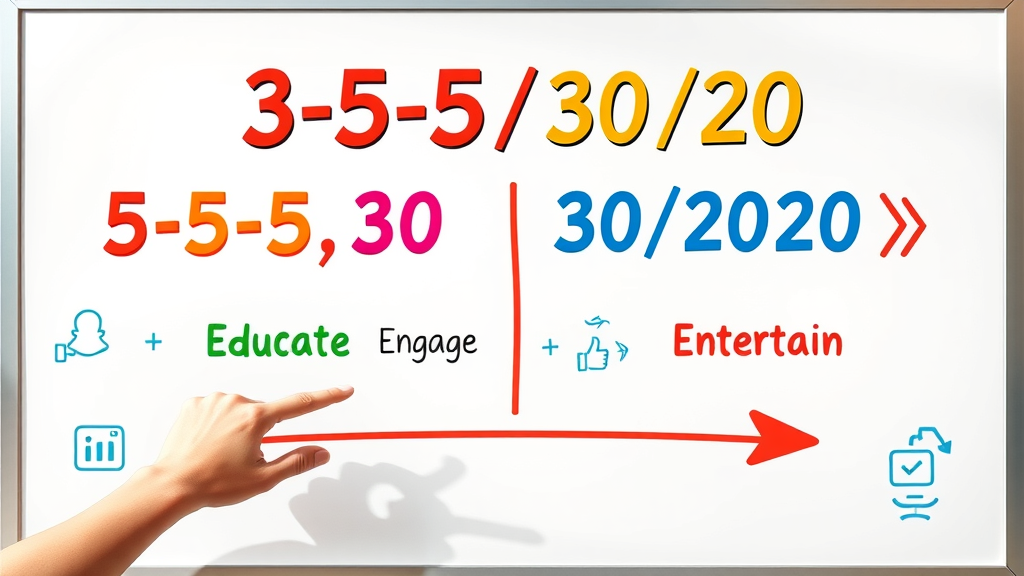
Adopting these frameworks clarifies planning and helps ensure a consistent, results-driven social media ad presence. Use content calendars, scheduled posting, and in-app analytics to hold your team accountable to these ratios, and revisit them frequently as your audience evolves.
People Also Ask
What is the social media advertising?
Social media advertising refers to using paid promotions on platforms like Facebook, Instagram, TikTok, and LinkedIn to reach targeted audiences, increase brand awareness, or drive specific business goals. It uses detailed targeting options, creative formats, and platform insights to ensure that your advertising campaign resonates with the right people at the right time.
What is the 5 5 5 rule on social media?
The 5-5-5 rule suggests structuring your social media content mix with five posts that engage, five that educate, and five that entertain your audience. This framework helps brands maintain a balanced, audience-friendly presence that prioritizes value over relentless promotion.
What is the 50/30/20 rule for social media?
The 50/30/20 rule recommends that you post 50% engaging content, 30% educational content, and 20% promotional content. This balance ensures your audience stays interested and engaged while preventing ad fatigue or the perception that your feed is overly sales-focused.
Do we really see 4000 ads a day?
Yes, most research—including industry studies cited by Forbes—finds that the average person is exposed to between 4,000 and 10,000 advertisements every single day across digital and physical environments. This is why cutting through the clutter with smart, creative social media ads is more important than ever.
Frequently Asked Questions on Social Media Advertising Mistakes
- How can I identify if my media advertising strategy is underperforming?
Monitor your key metrics—such as click-through rate, cost per click, conversion rate, and engagement. If you’re consistently falling below industry benchmarks or seeing stagnant results despite budget increases, your strategy may need a reassessment. - Should I use the same ad creative across all social media platforms?
No, each platform and audience expects different content styles and messaging. Customize your creative to the culture, norms, and technical specs of each social media platform for the best results. - How often should I update my social media ads?
Regularly—at least once a month for high-traffic accounts. Update creatives and targeting as soon as you notice ad fatigue, declining engagement, or when testing reveals new winner formats. - What are common compliance issues with paid media?
Common issues include violating ad guidelines with prohibited content, failing to disclose promotions, or using misleading claims. Always review up-to-date policies for each media platform before publishing paid social campaigns.
Expert Q&A: Avoiding Social Media Ad Mistakes—industry leaders share their best insights on common pitfalls and success strategies.
Essential Takeaways for Successful Social Media Advertising
- Never underestimate the importance of tailoring content for each media platform.
- Audience targeting and ongoing optimization are key pillars of media marketing success.
- Test, analyze, and refine every social media ad for maximum impact.
- Stay updated with evolving social media platform rules and consumer behavior trends.

Strategies to Future-Proof Your Social Media Advertising Campaigns
Embracing AI and Automation in Media Ads

AI-powered ad tools and automation are rapidly changing how brands approach media ad campaigns. Machine learning optimizes budgets, predicts winning creatives, and personalizes targeting—freeing up time and driving better results at scale. By embracing new tech, you future-proof your strategy and ensure your campaigns evolve alongside consumer expectations.
Test smart bidding, automated rules, and AI-driven creative optimization now to gain a competitive advantage. The sooner you adapt, the longer you stay ahead of platform changes and emerging trends.
Staying Ahead of Platform Algorithm Changes
Social media algorithms are always evolving. Platforms like Facebook, Instagram, TikTok, and LinkedIn update ranking and ad delivery rules to improve user experience. Brands that monitor these updates, test new formats early, and proactively refine strategy are best equipped to maintain strong performance.
Join industry forums, subscribe to platform blogs, and ensure ongoing training for your social media advertising team to stay informed. Agility—and a willingness to experiment—will keep your ads visible and effective, regardless of how algorithms shift.
Get Expert Help With Your Social Media Advertising Today
Avoiding costly mistakes in social media advertising takes ongoing learning and, sometimes, the right partner by your side. If you need help refining your campaigns, building better content, or troubleshooting ad performance, reach out to experienced digital marketing professionals who live and breathe media ad success.
Take action now —invest in your growth, avoid pitfalls, and unlock the full potential of your social media advertising today.
Conclusion
Take immediate action: Audit your current social media ads, tailor creative for each platform, and adopt a “test and optimize” mindset—this is the fastest way to transform mistakes into measurable wins.
