

Did you know? According to a 2024 industry study, companies that embraced marketing automation with AI reported a staggering 451% increase in qualified leads — all while slashing manual hours and repetitive work. If you’re not leveraging the power of AI in your marketing operations, you’re letting time, opportunities, and revenue slip through your fingers. In this guide, you’ll see exactly how combining artificial intelligence and marketing automation is revolutionizing business — and how you can get ahead of your competition before they leave you behind.
- What marketing automation with AI is and how it works
- Key tools, models, and systems powering modern marketing teams
- How real-time data, machine learning, and generative AI drive productivity
- Expert insights, best practices, and actionable steps for AI success
- Answers to top FAQs and pitfalls to avoid
Why Marketing Automation with AI is Reshaping How Businesses Operate
- Discover the shocking truth: According to a 2024 study, companies using marketing automation with AI increased leads by 451% while reducing manual hours. Learn how you can stop wasting time and get ahead of your competition.
Marketing automation with AI is dramatically changing how marketing teams operate, innovate, and drive sales. Businesses that integrate AI tools and agents into their workflow not only optimize their campaigns but also free up human resources for higher-level strategic work. Instead of juggling endless spreadsheets and manually segmenting customer data, advanced AI models now handle these tasks in real time, offering marketers actionable insights at unprecedented speeds.
Artificial intelligence enables companies to deeply personalize customer interactions, automate repetitive marketing operations, and adapt to shifting market demands on the fly. The shift to AI-driven automation isn’t just a trend; it’s an industry transformation that’s quickly becoming a necessity for staying competitive. Whether you’re in B2B SaaS, e-commerce, or retail, embracing AI agents and platforms means delivering more relevant content, better customer service, and faster results — all while saving hours each week.

Understanding Marketing Automation with AI: Essential Concepts for Beginners
- Definition and history of marketing automation with AI
- How artificial intelligence integrates with traditional marketing automation
- The evolution from rule-based systems to advanced AI
At its core, marketing automation with AI refers to the use of artificial intelligence to streamline, analyze, and optimize marketing activities — from email campaigns to customer segmentation. Historically, marketing automation relied on rigid, human-defined rules (“if user does X, send email Y”). While effective, these systems struggled to adapt to real-time changes in customer behavior or vast datasets.
The integration of AI models into marketing platforms changed everything. Instead of following static rules, AI-powered systems learn from mountains of customer data, spotting patterns and predicting what content, timing, and channels will yield the best results. Today’s marketing automation platforms leverage machine learning , natural language processing, and predictive analytics to dynamically adjust campaigns, personalize experiences, and increase engagement on social media and beyond.
As AI systems continue to evolve, we’ve witnessed a shift from simple automation tools to robust, intelligent platforms capable of full-funnel marketing management. This evolution empowers marketers — even beginners — to operate at a level of efficiency and effectiveness previously only possible at enterprise scale.
Core Components of Marketing Automation with AI
AI Tools and AI Agents: Building Blocks for Modern Marketers
- Overview of popular AI tools for marketing automation
- Role of AI agents in automating workflows
The foundation of any high-performing marketing automation system lies in the strategic mix of AI tools and AI agents. Popular AI tools — such as HubSpot, Salesforce Einstein, and Adobe Sensei — empower marketing teams to analyze user data, score leads, and automate messaging across every channel. These platforms leverage advanced AI models to identify segments, personalize communications, and optimize spend with unprecedented accuracy.
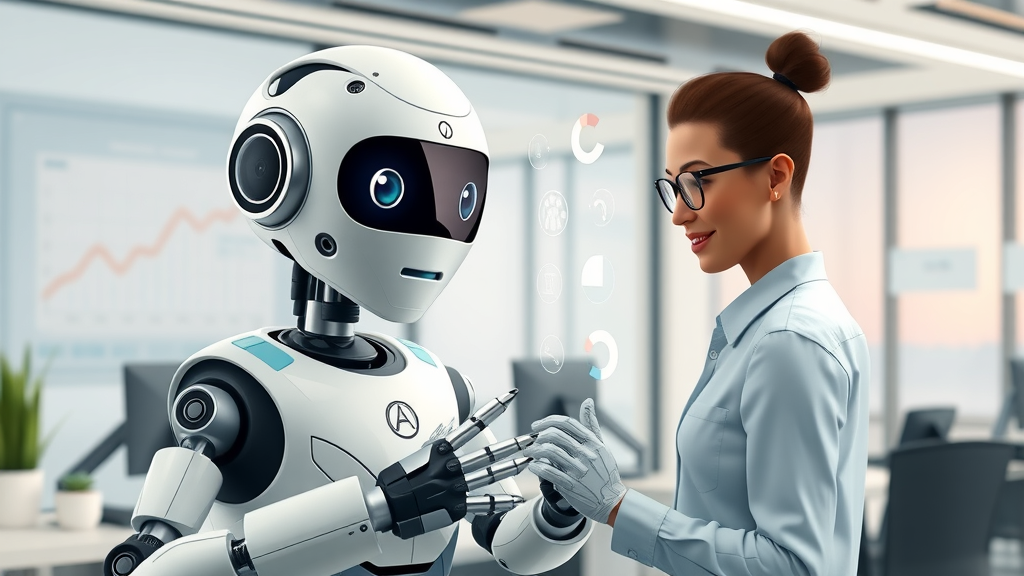
Central to this transformation are AI agents : autonomous software “workers” designed to execute tasks, make decisions, and interact with customers or marketing platforms on your behalf. From scheduling posts to conducting market research and orchestrating entire campaign workflows, AI agents free up marketers to focus on strategy and creativity. As more brands add AI agents to their stack, the gap widens between innovators and laggards in the AI marketing race.
Understanding AI Models and AI Systems in Marketing
- How AI models support content creation and campaign optimization
- AI systems that power predictive analytics and personalization
AI models are algorithmic engines trained on data to recognize trends, forecast results, and even generate original content. These models fundamentally support marketers by suggesting keywords, optimizing ad spend, inviting interaction on social media, and tailoring messaging by channel and consumer interest. When integrated into an AI system, these models can rapidly learn from real-time customer interactions, adapting campaigns for peak effectiveness across every touchpoint.
Modern AI systems power features such as predictive analytics — enabling teams to anticipate customer needs — and hyper-personalization tools that deliver unique recommendations and content streams. For example, Amazon’s product suggestions, Netflix’s movie picks, and Spotify’s playlists are all driven by robust AI models working behind the scenes. For marketers, this means better conversion rates, higher customer satisfaction, and a measurable edge in the competitive AI market.
Animated explainer: How AI tools automate workflows in marketing
Harnessing the Power of Artificial Intelligence in Marketing Automation
Transforming Data into Real-Time Insights with Machine Learning
- Collecting and managing customer data through AI-powered platforms
- Machine learning’s impact on predictive analytics and campaign performance
Machine learning is the engine that drives modern marketing automation with AI . Sophisticated algorithms embedded in AI platforms collect, clean, and analyze enormous volumes of customer data — from website clicks to purchase histories and social media engagement. Unlike manual analysis, machine learning handles these data streams in real time, providing instant feedback to adjust campaigns and messaging on the fly.
With machine learning at the core, marketers now have access to predictive analytics tools that forecast customer needs before they arise. Imagine being able to deploy offers, send emails, or adjust ad bids not by guesswork, but by data-driven certainty. This real-time intelligence leads to higher engagement rates, greater campaign ROI, and a dramatically improved customer experience across the entire marketing journey.

Deploying Advanced AI Modes in Marketing Strategies
- Generative AI for content creation and social media automation
The rapid evolution of generative AI — models capable of producing original text, images, and even video — is remaking content marketing as we know it. With these advanced AI modes, businesses automate everything from blog writing to social media posting, ensuring consistency and scale without sacrificing quality. For marketing teams, generative AI is more than just a tool; it’s a creative partner that amplifies brand voice, streamlines content production, and empowers outreach on new platforms around the clock.
Top AI Tools Transforming Marketing Automation
- Comparison chart: Leading AI tools for marketing automation
- Case studies: Success stories using advanced AI tools and systems
| AI Tool | Key Feature | Use Case | Results (Sample) |
|---|---|---|---|
| HubSpot AI | Lead Scoring, Content Personalization | Email Drip Campaigns | 210% higher open rates, 150% more pipeline leads |
| Salesforce Einstein | Predictive Analytics | Customer Journey Mapping | Increased retention by 32%, reduced churn |
| Adobe Sensei | AI-Powered Insights | Ad Spend Optimization | 30% decrease in CPA, improved ROAS |
| Jasper | Generative Content Creation | Automated Blog Writing | 5x faster content production, more consistent brand messaging |
These AI tools dominate the AI market because they seamlessly integrate with marketing stacks, helping marketing teams of all sizes to increase efficiency and drive results.

Choosing the Right AI Agent or AI Model for Your Marketing Team
- Checklist for evaluating AI agents and advanced AI models
- Factors to consider when selecting AI systems
Selecting the best AI agent or AI model is crucial for your campaign’s success. First, define your team’s priorities: Do you need better lead scoring, automated content creation, or predictive analytics? Next, evaluate each AI agent for ease of integration with existing platforms, the quality of customer data analysis, and flexibility to scale as your operations grow. It’s important to check for transparency in decision-making so your team can understand and trust campaign outcomes.
When assessing advanced AI models , look for proven case studies in your sector, reviews from marketing teams of similar size, and strong support resources. Consider whether the tool offers real-time insights, security protocols, and robust personalization features to anticipate changing needs in the AI market. The right choice will empower your marketing team to drive value, respond to market shifts, and maintain compliance with evolving data regulations.
Driving Results: AI-Powered Personalization and Customer Experience
- How marketing automation with AI enhances customer experience
- Examples of AI-powered customer journey mapping and engagement
- The role of predictive analytics in anticipating customer needs
Customer experience is the new battleground, and nothing enhances it quite like marketing automation with AI. With seamless integration of AI systems, companies can now understand, predict, and serve each customer as a unique individual. AI models analyze everything from browsing patterns to previous purchases, generating personalized messages, product recommendations, and even timing communications for maximum engagement. This leads to happier customers, more conversions, and long-term loyalty.
Consider retail’s use of AI-driven journey mapping: advanced systems track individual customer interactions across email, social, and in-store to deliver just the right offer or service at the right time. AI agents proactively respond to customer inquiries, offer real-time assistance through chatbots, and anticipate needs through predictive analytics. The result? A seamless, satisfying experience at every touchpoint, powered entirely by marketing automation with AI.

Content Creation Revolution: Generative AI and Automation
AI Systems for Automated Social Media and Content Marketing
- Automating content workflows with marketing automation and AI agents
- Real-world use cases for AI-powered content creation
- How generative AI is shaping the AI market for marketers
Generative AI is powering a content revolution in the AI market. Modern marketing teams automate entire content workflows — from brainstorming topics to scheduling posts — with the help of advanced AI agents and systems. These agents use natural language generation to craft engaging copy, produce social media content, and even create personalized newsletters that drive interaction. Automated social posting ensures round-the-clock brand visibility, while predictive analytics help tailor messages for regional or demographic targeting.
Brands are now producing more content, faster and at lower costs, thanks to generative AI models. E-commerce stores, for instance, deploy AI-powered product descriptions and reviews, while media companies automate news updates and personalized headlines for subscribers. As generative AI matures, marketers will rely on it not just for efficiency, but for insights into what types of content truly resonate with their audiences across platforms.

Boosting Productivity: Automated Workflows Across Marketing Teams
- Key ways marketing automation with AI saves time for marketing teams
- Integrating AI agents with your marketing automation stack
- Streamlining campaign management and reporting
The role of marketing automation with AI is clear: less busywork, more results. Automated workflows handle time-draining tasks such as lead routing, A/B testing, campaign analysis, and reporting. By letting advanced AI models and agents perform repetitive work, marketing teams can focus on innovation, content creation, and devising creative strategies. With seamless integrations, your workflow becomes a collaborative engine running at peak efficiency.
For instance, integrating AI agents with CRM and analytics stacks streamlines campaign setup, ensures accurate customer data, and provides real-time dashboards for instantaneous feedback. No more hours spent exporting data or building reports from scratch — AI tools collate, sort, and visualize essential KPIs with a click. This end-to-end automation is essential for modern marketing teams aiming for competitive advantage and sustained growth.

The Future of AI Marketing: Trends, Challenges, and Opportunities
- Predictions for the future of marketing automation and artificial intelligence
- Emerging job roles in the AI market
- Navigating the ethical concerns around AI agents and advanced AI tools
The future of marketing automation with AI is both thrilling and complex. Experts predict a surge in AI-enabled, real-time customer engagement, voice search optimization, and autonomous marketing agents capable of handling everything from creative briefing to post-campaign analysis. As AI systems become the norm, roles like “AI marketing strategist” and “AI ethics officer” will gain prominence across marketing teams worldwide.
However, new opportunities come with new ethical questions—especially around customer privacy, algorithmic bias, and transparency in AI models. Brands must balance leveraging advanced AI for efficiency with ensuring trust, fairness, and compliance in every marketing operation. The organizations that master this balance will set the gold standard in the rapidly-evolving AI market.
“AI is not here to replace marketers, but to free them to do what humans do best: strategize, empathize, and create.” – Marketing Technologist

Step-By-Step: Implementing Marketing Automation with AI
- Initial assessment: Is your marketing team ready for AI tools?
- Building a roadmap for adopting advanced AI systems
- Key considerations for integrating AI models and agents
- Best practices for monitoring and managing AI-driven campaigns
Ready to take your first step into marketing automation with AI? Start by evaluating your team’s current tech stack and data readiness. Identify repetitive, resource-heavy processes ripe for AI integration. Next, design a phased roadmap: pilot a single AI tool or agent (for example, automated email segmentation) before expanding to predictive analytics or content automation. Engage stakeholders early by demonstrating quick wins, like time saved or increased engagement.
When integrating AI models and agents, prioritize solutions that fit your business size and objectives. Ensure your chosen AI platforms offer actionable insights in real time and provide robust support and documentation. After launch, monitor campaign data closely, adjust parameters as needed, and foster a culture of continuous learning and optimization. The key is to start small, iterate quickly, and celebrate results to build organizational confidence in advanced AI-driven marketing.
Common Obstacles and Solutions in Marketing Automation with AI
- Overcoming resistance to AI agents among team members
- Ensuring data quality and security in AI marketing
- Strategies for maximizing ROI from AI tools
- Learning from failed AI model implementations
Implementing new AI agents can sometimes be met with skepticism or resistance. Combat this by demonstrating tangible benefits: show how AI tools reduce manual effort and enable more creative, high-impact work. Offer training and make collaboration part of the implementation process to increase adoption. Data quality is another common challenge. Ensure data integrity by cleaning existing data and setting up processes to capture accurate customer interactions going forward.
Maximize ROI from AI tools by setting clear objectives, regularly reviewing performance against KPIs, and iterating based on insights. Learn from past failures by asking what blocked adoption, where the AI system’s recommendations missed the mark, and how communication between machines and marketers can improve. Remember, every failed experiment is a step closer to a winning marketing automation with AI strategy.
“Adopting marketing automation with AI can be daunting, but the payoff in efficiency and insights is undeniable.” – Automation Pioneer
Key Metrics: Measuring the Success of Marketing Automation with AI
| KPI | Pre-AI Adoption | Post-AI Adoption |
|---|---|---|
| Lead Generation | Slow, inconsistent increases | 451% faster, more reliable growth |
| Conversion Rate | 2-4% | 6-10% |
| Cost per Acquisition (CPA) | $100+ | $60 or less |
| Customer Retention | Average to low | 30% or higher improvement |
- Top metrics every marketing team should monitor after implementing AI tools
- Best practices for analyzing data and optimizing AI-powered campaigns
After deploying marketing automation with AI, it’s vital to monitor the right metrics. Track KPIs such as lead quality, conversion rates, cost per acquisition, dwell time, and customer retention. Analyze campaign performance in real time and allow AI models to suggest optimizations. Setting up dashboards and reporting ensures transparency and helps your team move from intuition-led decisions to data-driven actions, delivering continual improvement in your marketing operations.
In-Depth: Frequently Asked Questions about Marketing Automation with AI
- Is marketing automation with AI suitable for small businesses?
Absolutely. Many AI marketing tools and agents now cater to small and mid-size businesses, offering affordable, scalable packages that enhance efficiency and level the competitive playing field. Even a single AI model can bring time-saving automation and smarter customer insights to lean teams. - How do AI agents actually work in marketing?
AI agents are digital assistants that automate repetitive tasks—like sending emails, analyzing customer data, or responding to common queries. They use machine learning to adapt and improve over time, freeing marketers to focus on creative, strategic work. - What are the initial costs of implementing marketing automation with AI?
Costs vary based on the size of your team and complexity of tools, but many platforms offer monthly subscriptions starting as low as $50. Consider trialing AI solutions with a small pilot before making a larger investment. - Can marketing automation with AI replace human marketers?
No. AI tools and agents are designed to assist, not replace, marketing professionals. They remove tedious work, accelerate analysis, and provide data-driven recommendations — empowering humans to innovate, strategize, and connect emotionally with customers.
People Also Ask about Marketing Automation with AI
How does AI differ from traditional marketing automation systems?
- AI-driven automation relies on learning and data analysis to optimize campaigns in real time, whereas traditional systems use rule-based processes. Artificial intelligence empowers marketing teams to dynamically adjust content, timing, and segmentation for superior results.
What industries benefit most from marketing automation with AI?
- Industries like e-commerce, SaaS, financial services, and retail see the highest returns, leveraging AI tools for customer experience, predictive analytics, and automated content creation. Any sector with data-rich marketing can benefit from adopting AI models.
Expert Insights: How Marketing Automation with AI Elevates Business Success
“The path forward is clear: Marketing automation with AI is the new standard for high-performing teams.” – AI Industry Analyst
- Real business results from adopting advanced AI and automation
- Tips from AI marketing leaders on maximizing benefits
Forward-thinking teams that invest in advanced AI tools routinely see quantum leaps in efficiency, lead quality, and marketing ROI. Leaders in the AI marketing space recommend starting with visible wins, fostering a culture of experimentation, and empowering staff to reimagine their roles as AI partners. Executives stress the importance of continuous learning and open communication between human marketers and AI agents for long-term success.
Best Practices, Key Takeaways and Next Steps
- Summary of best practices for leveraging marketing automation with AI
- Key lessons learned from successful AI system implementations
- Recommendations for your marketing team’s AI journey
Success with marketing automation and AI starts with clear objectives and a willingness to embrace change. Begin with small, measurable projects, involve your team early, and emphasize continual learning. Prioritize solutions that integrate with your marketing operations, promote transparency, and deliver actionable real-time insights. Review results regularly and iterate often — successful AI adoption is never “set and forget.”

Ready to Transform Your Marketing with AI?
- Take action: Evaluate your current tools, start small with proven AI models, and empower your marketing team with the latest advancements in marketing automation with AI. Don’t let competitors leave you behind—embrace the future of AI marketing today.
Action Step: Audit your marketing stack, identify high-impact areas for AI automation, and pilot a top-rated AI tool or agent this quarter. Start multiplying your results with marketing automation and AI!
