

Did you know that over 80% of digital marketing leaders believe machine learning delivers a marked edge in campaign performance?This eye-opening statistic sets the tone for a transformative guide tailored for marketers ready to unlock the true potential of AI and data-driven strategies. If you’re eager to leave outdated methods behind and discover precisely how machine learning for marketingcan drive your results into the stratosphere, you’re in the right place. In the next few minutes, you’ll learn the proven secrets top brands and savvy marketing teams use to convert customer data into ROI and win in the digital age.
Unlocking Extraordinary Growth: Leveraging Machine Learning for Marketing Success
-
Did you know that over 80% of digital marketing leaders believe machine learning delivers a marked edge in campaign performance? In this guide, discover how machine learning for marketing transforms data into extraordinary ROI.

Machine learning for marketingdoesn’t just optimize the way you target customers—it completely reinvents your campaigns, budgets, and customer experience. Think about a world where hyper-personalization is automatic, your marketing team knows exactly what your customers want, and every dollar you spend is optimized for maximum return. With AI-powered analytics and machine learning, even routine business processes are elevated, data analysis becomes predictive, and marketers can focus their energy on strategy over guesswork. Whether you’re running solo or leading a larger marketing team, this guide will show you practical ways to leverage machine learning in your digital marketing strategies—and achieve measurable growththat outpaces traditional methods.
What You’ll Gain: Mastering Machine Learning for Marketing
-
Explore the key trends, tools, and actionable strategies for implementing machine learning in digital marketing, understanding AI models, leveraging predictive analytics, and improving customer experience with real-time AI systems.
By diving into this guide, you’ll unlock actionable knowledge on using predictive analytics, understanding AI models, adopting natural language processing, and utilizing cutting-edge AI agentsfor marketing gains. We’ll walk through proven digital marketing use-cases, review the best AI tools, and even unveil the exact methods the world’s top brands rely on. Whether you want to personalize content, fine-tune your campaigns, or streamline customer service, you’ll leave with the insights to modernize and future-proof your marketing strategy.
Get ready to transform how your marketing team works, capture real-time customer behavior data, and make your customer experience not just smarter—but genuinely extraordinary.
Top 15 Ways Machine Learning for Marketing Outperforms Traditional Strategies
1. Hyper-Personalization Through Predictive Analytics and Artificial Intelligence
-
Harness predictive analytics and artificial intelligence to create highly tailored customer journeys with machine learning for marketing.

Hyper-personalizationis at the heart of modern digital marketing, and it’s only possible through the synergy of machine learning, predictive analytics, and artificial intelligence. Today’s best AI modelsanalyze vast swaths of customer data in real time, identifying individual preferences, behaviors, and purchasing intent. This level of personalization goes far beyond basic demographics—your AI-driven campaigns can understand which emails, products, or content pieces earn the most engagement from each user segment.
Imagine sending uniquely generated content to every customer, automatically adjusting your outreach based on data analysis and real-time activity. Predictive analytics enables marketing teams to forecast consumer needs, creating experiences that feel tailor-made. The result? Higher engagement, better conversion rates, and customers who feel your brand truly “gets” them—no more spray-and-pray marketing tactics, only smart, data-driven interactions.
2. Real-Time Content Creation with Generative AI
-
Deploy generative AI and real-time digital marketing to design content that resonates instantly with your audience.
Generative AIhas revolutionized content creation, allowing marketers to produce high-quality materials quickly and at scale. By leveraging machine learning for marketing, your team gains the capability to generate blog posts, social media updates, videos, and visuals custom-tailored for your audience’s current interests—instantly. This means your marketing messages are always timely, relevant, and primed to maximize engagement.
Real-time content not only increases the operational efficiency of your team but also improves SEO, customer experience, and authority within your niche. With AI tools that analyze trends, keywords, and audience sentiment, you’re not just guessing what might work—you’re delivering precisely what your customers will respond to, powered by data-driven insights and automated creative workflows.
3. Enhanced Segmentation Using AI Models
-
Segment your audience with advanced AI models, maximizing customer experience and engagement.

AI-powered segmentationbreaks down your audience into detailed, actionable segments that go way beyond age, location, or basic demographics. Powerful machine learningalgorithms analyze purchasing habits, website behavior, and even social media interactions—then slice your database into specific personas or behavioral cohorts. This enables laser-targeted messaging and offers, boosting conversion rates throughout the customer journey.
The rise of AI modelsin segmentation means marketing teams no longer rely on broad, loosely grouped segments. With machine learning, you can address micro-segments with unique pain points, preferences, and lifecycles—delivering a customer experience that drives loyalty and maximizes retention. As more marketers implement these AI tools, expect the competition for customer attention to become fiercer, and machine learning for marketing to become a clear industry standard.
4. Optimized Ad Spend with AI Tools
-
Use AI tools to fuel data-driven budget allocation and boost campaign efficiency in your digital marketing strategy.
Budget allocation is a constant challenge for even the savviest marketing teams. AI toolsequipped with machine learning analyze your campaigns’ historical data, predict which channels will yield the highest return, and reallocate ad spend on the fly. This means every marketing dollar is spent where it matters most, reducing wasted spend and maximizing ROI.
These AI-driven systems don’t just crunch the numbers—they spot hidden patterns in customer behavior, time of day, platform performance, and even keyword dynamics. By letting machine learning optimize your ad spend, you enable real-time adjustments, reduce manual guesswork, and arm your team with the insights needed for effective, efficient campaigns.
5. Successful Lead Scoring with Predictive Analytics
-
Identify high-value prospects faster and more accurately using predictive analytics embedded in your digital marketing workflows.
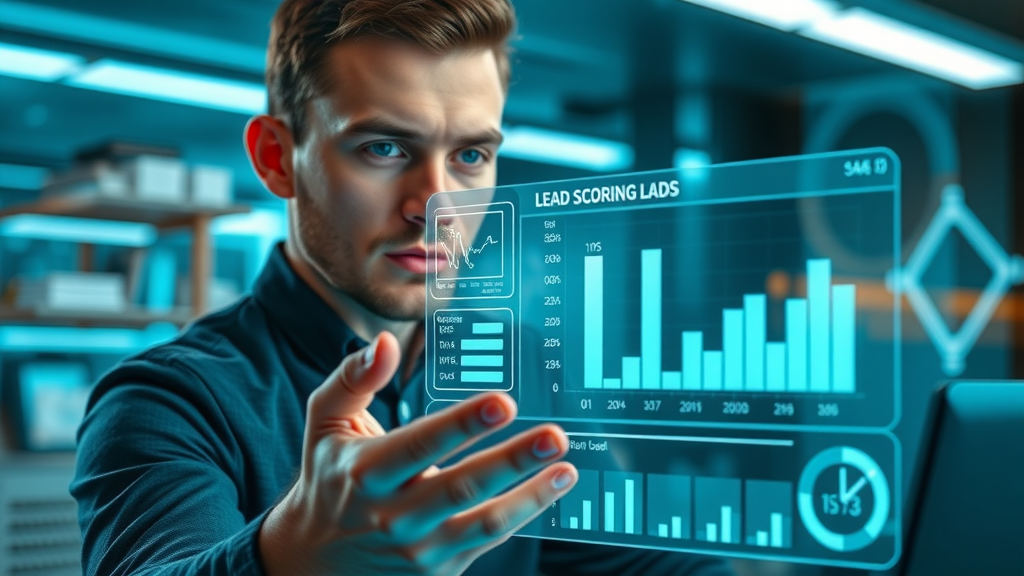
Lead scoring powered by machine learningeliminates the manual effort of ranking leads, relying instead on predictive analytics to prioritize sales-ready prospects. These systems analyze historical engagement, customer interactions, previous buying behavior, and contextual factors—and rate each lead based on their likelihood to convert. This enables marketing and sales teams to focus limited resources on the most lucrative opportunities.
By implementing AI-driven lead scoring, businesses increase their conversion rates and operational efficiency, ensuring high-value leads never fall through the cracks. Automated lead scoring also reveals insights about what makes a lead “hot,” allowing your marketing strategy to evolve in real time based on reliable data, not just gut feeling.
6. Intelligent Customer Service Chatbots: The Power of AI Agents
-
Integrate machine learning-based AI agents for customer service, improving satisfaction and speeding up response times.
AI agents are transforming customer serviceby permitting instant, 24/7 support via sophisticated chatbots. These virtual assistants use natural language processing and deep learning to understand customer queries, deliver relevant answers, and even escalate complex issues to human agents—seamlessly. Not only does this dramatically enhance customer experience, but it also reduces operational costs and response times.
As customer expectations for fast, accurate, and dynamic service rise, integrating AI agents into your digital marketing ecosystem is crucial. They learn from past interactions, adapt their responses, and ensure users leave happy—every time. By deploying these machine learning-based AI systems, you build customer loyalty while freeing up your team for high-value tasks.
7. Automated Customer Journey Mapping with AI Systems
-
Track customer behavior across platforms and deliver a seamless marketing experience using AI systems.
AI systemshave the remarkable ability to monitor the entire customer journey, drawing from touchpoints across social media, email, web traffic, and offline channels. By collecting and analyzing customer behavior data in real time, machine learning uncovers the moments that matter—and highlights where users may slip through the cracks.
This level of tracking empowers marketers to create seamless, cross-platform experiences that feel effortless to the customer. Whether you need to trigger follow-ups, personalize special offers, or optimize your funnel, automated journey mapping helps optimize every step with actionable insights.
8. Adaptive Email Campaigns Powered by Machine Learning for Marketing
-
Integrate natural language processing and ai tools for adaptive, high-converting email marketing campaigns.

Email remains one of the highest-return channels in digital marketing—but only when campaigns are personalized and adaptive. With the integration of natural language processingand machine learning for marketing, you can test, optimize, and refine subject lines, messaging, and send times based on real-time customer data and ongoing campaign performance.
AI-powered email tools help you tailor every aspect of your campaigns, predict the best performing messages, and even personalize offers down to the individual recipient. This creates higher open rates, better conversion, and ongoing customer engagement—turning your email lists into true revenue engines.
9. Dynamic Pricing and Offers: Data-Driven Decisions
-
Utilize machine learning for marketing to adjust prices and offers based on customer behavior and demand in real time.
With ever-changing markets and competitive landscapes, static pricing strategies have become obsolete. Machine learning for marketingempowers businesses to adopt dynamic pricing, automatically adjusting prices and offers according to customer demand, competitor pricing, and customer profiles. This real-time analytics enables you to optimize margins while ensuring each offer resonates with your audience’s willingness to buy.
Data-driven pricing maximizes value for both the customer and the company, using advanced AI models to analyze which discounts, bundles, or incentives will yield the most profit and loyalty. With instant adjustments based on current data, you always stay a step ahead in the market.
10. Real-Time Social Listening with Artificial Intelligence
-
Leverage artificial intelligence and digital marketing insights to monitor trends, sentiment, and competition instantly.

The power of real-time social listeningwith artificial intelligence can’t be overstated for modern marketing teams. With robust AI tools, you can scan millions of social media posts and conversations to instantly identify emerging trends, shifts in sentiment, and competitors’ strategies. This lets you pivot your campaigns at a moment’s notice, keeping your messaging fresh and responsive.
Machine learning fortifies your team’s social media monitoring, alerting you to positive buzz or brand crises as they unfold. By acting on these real-time insights, marketers can amplify wins, address issues before they escalate, and stay genuinely connected to what their audience cares about right now.
11. AI-Driven Content Creation and Curation
-
Apply generative ai, ai models, and content creation tools to streamline and scale high-quality marketing content.
AI-powered content creationis transforming how marketing teams produce articles, visuals, and campaigns. Tools like generative AI eliminate creative bottlenecks by producing on-brand, SEO-optimized content at the speed of business. These systems learn from previous high-performers, tailor each asset for different audiences, and curate content that resonates on multiple platforms.
With automated content curation, you can surface the most relevant topics and news for your audience, saving valuable research time and increasing authority in your niche. This accelerates your content marketing engine—delivering value to customers without overwhelming your creative team.
12. Robotics in Routine Digital Marketing Tasks
-
Use reinforcement learning and robotics to automate tedious digital marketing tasks efficiently.

The rise of robotics and reinforcement learningin marketing means repetitive chores like reporting, updating databases, managing campaign assets, and scheduling posts are now handled by intelligent systems. This allows human marketers to focus on high-level strategy, creative thinking, and customer relationships. Automated processes not only save time, they also reduce errors and ensure consistency across campaigns.
When machine learning and robotics join forces, operational efficiency soars. Teams experience less burnout, faster campaign launches, and smoother business processes—making marketing more scalable than ever.
13. Enhanced Customer Experience with Personalized Recommendations
-
Deliver unique, machine learning-based product and content recommendations for superior customer experience.
Recommendations powered by machine learning for marketingprovide every visitor with a bespoke journey, suggesting products or content they’re most likely to enjoy. By evaluating browsing history, purchase records, and engagement patterns, these systems anticipate each user’s preferences and needs—driving higher sales and satisfaction.
With advanced personalization, your brand develops a reputation for knowing what customers want before they do, creating memorable experiences that convert browsers into loyal fans. This level of customer experience can only be delivered with real-time, data-driven AI models.
14. Intelligent Attribution Modeling with AI Toolkits
-
Analyze marketing touchpoints with ai tools for more accurate attribution modeling, empowering campaign optimization.
Attribution modelinghas always been a challenge in multichannel marketing. With AI toolkits, marketers can now assess which touchpoints—emails, social media ads, organic search, or even offline events—contributed most to a conversion. These insights help refine message allocation and justify investments across different campaigns.
Better attribution leads to better marketing strategies, allowing teams to double down on what works and improve underperforming areas, all supported by machine learning analytics instead of guesswork.
15. Natural Language Processing for Hyper-Targeted Messaging
-
Use natural language processing and language processing to craft messages tailored to customer intent and behavior.

Natural language processing (NLP)is the key to understanding and acting on authentic customer conversations. Machine learning-powered NLP parses product reviews, survey feedback, and social posts—turning unstructured data into actionable insights for campaign creation. This enables hyper-targeted messaging that matches your audience’s language, sentiment, and interests.
By accurately interpreting what your customers say and feel, NLP models empower marketing teams to forge stronger connections, respond to concerns faster, and build campaigns that truly resonate with current customer needs.
Transformative AI Tools and Systems Every Marketer Should Know
The Rise of Generative AI in Content Creation

Generative AIstands at the forefront of the content creation revolution. Its ability to generate images, text, product descriptions, and even video equipped marketing teams with an always-on creative assistant. With machine learning, content becomes consistently more engaging and aligned with customer interests, enabling brands to create more output in less time—without sacrificing quality or brand voice.
These systems learn from every campaign and audience reaction, steadily improving their creative recommendations, SEO optimization, and even visual design cues. The result is a content creation engine that’s always learning, always fresh, and always a step ahead of the competition.
AI Models and AI Agents Revolutionizing Digital Marketing
Modern digital marketing now relies on specialized AI modelsand AI agentslike virtual assistants, chatbots, and workflow automation bots. These tools harness deep learning and continuous learning algorithms to personalize interactions, manage marketing operations, and optimize every touchpoint of the customer journey. By adapting to new data, these AI systems improve the efficiency and consistency of your campaigns.
By implementing these models, organizations can automate routine customer service queries, analyze mass volumes of social media content, and even experiment with reinforcement learning to optimize content delivery in real time.
Selecting the Best Machine Learning AI Tools for Marketing
Choosing the right machine learning AI toolsdepends on your specific goals, resources, and workflow. The most effective solutions are those that integrate with existing marketing stacks, offer real-time analytics, and allow for easy onboarding of new AI modules. From lead scoring to personalized content creation, ensure your chosen tools provide measurable impact through predictive analytics and actionable dashboards.
Evaluate platforms that feature robust natural language processing, content generation, and data visualization capabilities for a comprehensive, results-driven approach to machine learning for marketing.
Case Studies: Machine Learning for Marketing Wins in Leading Brands
|
Brand |
AI Model/Systems Used |
Results Achieved |
|---|---|---|
|
Amazon |
Personalized recommendation engine, NLP for reviews |
35% of sales attributed to ML-powered recommendations |
|
Netflix |
Predictive analytics models, generative AI for content previews |
Improved retention by over 20% with tailored user experiences |
|
Coca-Cola |
AI social listening, automated content creation tools |
Faster response to market trends, stronger engagement on social media |
|
Sephora |
AI chatbots, virtual AI advisors |
Reduction in service time by 33%, increased online sales |
|
Spotify |
ML-based music recommendations, real-time campaign optimization |
Boosted ad engagement and listener loyalty across demographics |
Expert Insights on Machine Learning for Marketing
“Machine learning for marketing is the single most transformative technology in modern digital marketing.” – Marketing AI Institute.
Watch this concise explainer video to see how machine learning sharpens targeting, optimizes ad spend, and increases ROI in the fast lane of modern marketing.
[Explainer Video Animation Placeholder]
See real-world marketing campaigns brought to life with AI and machine learning, including campaign planning, predictive analytics, and customer engagement strategies.
Measuring ROI: How Machine Learning for Marketing Delivers Results
-
Tracking KPIs, using predictive analytics, real-time reporting, and actionable dashboards.
-
Key metrics: customer behavior changes, engagement, conversion rates, and cost reduction.

Success with machine learning for marketingis all about measurable impact. By closely monitoring KPIs—from customer engagement rates and conversion metrics to operational efficiency and cost savings—marketing teams can demonstrate the ROI of their AI investments. Actionable dashboardsand real-time predictive analytics make it possible to spot winning campaigns, identify underperforming areas, and pivot swiftly for maximum impact.
Beyond numbers, the smart use of machine learning reveals opportunities for new customer experiences, strengthens your marketing strategy, and ensures every decision is rooted in data—not guesswork or outdated trends.
Addressing the Challenges: Ethical Considerations and AI Limitations in Machine Learning for Marketing
-
Responsible use of artificial intelligence, respecting privacy, transparency in AI models, and bias mitigation.

As more artificial intelligencesystems and machine learningtools become integral to digital marketing, ethical questions demand attention. Marketers must ensure transparent operation of AI models, responsibly manage customer data, and prioritize privacy at every step. Bias mitigation within algorithms and transparent reporting are critical to building trust.
Developing a culture of accountability—for both humans and machines—helps brands avoid major pitfalls associated with AI adoption. Be clear about using customer data, offer opt-out choices, and continuously review your systems for unintended consequences.
People Also Ask About Machine Learning for Marketing
How does machine learning improve digital marketing effectiveness?
-
Machine learning for marketing enhances effectiveness by predicting customer behavior, personalizing content, automating targeting, and optimizing campaigns with real-time data analysis.
What are the best AI tools for digital marketing in 2024?
-
Top AI tools include ChatGPT for content creation, Jasper AI for copywriting, Adobe Sensei for analytics, and Salesforce Einstein for CRM-driven marketing automation.
Can predictive analytics replace traditional marketing research?
-
Predictive analytics powered by machine learning complements but does not entirely replace traditional marketing research, offering faster and data-driven insights but requiring foundational research for context.
Is natural language processing important in machine learning for marketing?
-
Natural language processing is essential for interpreting customer feedback, automating communication, and generating personalized messaging at scale.
Essential Tips for Getting Started with Machine Learning for Marketing
-
Assess your current digital marketing analytics infrastructure.
-
Identify high-impact use cases for AI tools and predictive analytics.
-
Start small, measure results, and iterate.
-
Leverage available AI models and AI tools for easy onboarding.
-
Invest in ethical AI training and customer experience design.
FAQ: Machine Learning for Marketing
What is the role of artificial intelligence in marketing today?
-
Artificial intelligence automates personalization, content generation, predictive analytics, and customer engagement across all digital marketing channels.
What skills are required for marketing professionals using AI?
-
A blend of analytical thinking, familiarity with AI systems, data interpretation, and creativity is critical for marketing with machine learning tools.
Key Points: How Machine Learning for Marketing Delivers Unmatched Value
-
Hyper-personalization
-
Real-time adaptation
-
Advanced segmentation
-
Efficient customer journey mapping
-
Predictive analytics-driven decisions
Ready to Elevate Your Digital Marketing? Adopt Machine Learning for Marketing Now
-
Explore innovative AI tools for your marketing strategy, sign up for our AI-powered marketing newsletter, or request a consultation to discover how machine learning can transform your digital marketing results.
Take the first step—choose a focus, test an AI tool, and embrace machine learning for marketing to amplify your results starting today.
