

Did you know that more than 70% of marketers are experiencing powerful results thanks toAI-powered content creation? In a world where audiences are bombarded with information at every turn, standing out demands more than just creativity—it takes innovation, speed, and adaptability. Today’s digital strategies aren’t just enhanced by artificial intelligence; they are transformed by it. This article explores how AI agents , generative AI , and advanced AI tools are not only boosting engagement but also democratizing content, making top-tier digital presence accessible for brands and creators of every size.

Did You Know? Over 70% of Marketers Report Surging Results With AI-Powered Content Creation
The explosive adoption of AI-powered content creation is rewriting the rules of digital marketing. Marketers across industries have reported significant improvements in both efficiency and engagement by integrating artificial intelligence into their workflows. AI agents and tools automate time-consuming tasks, streamline content ideation, and ensure that content is optimized for ever-changing algorithms—factors that contribute to higher reach and conversion rates.
For example, a leading e-commerce platform used AI chatbots to engage customers in real time, resulting in a 40% uplift in user interaction and a remarkable decrease in bounce rates. Similarly, B2B marketers have seen campaign ROI grow thanks to AI systems that harness machine learning to predict trending topics and fine-tune messaging strategies. Ultimately, AI-powered content creation isn’t just a trend—it’s a proven growth driver, recognized by digital marketing experts worldwide.
Unlocking New Possibilities: How AI-Powered Content Creation Influences Modern Marketing
Embracing AI content tools allows marketers to unlock new creative avenues and tackle long-standing challenges. With AI agents capable of analyzing social media trends, automating keyword research, and dynamically adjusting learning modes, human talent is liberated for strategic innovation. This deeper partnership with generative AI lets brands deliver content that resonates with target audiences in ways traditional methods couldn’t match.
Additionally, marketing teams now leverage advanced AI solutions to personalize user experiences at scale. Whether it’s customizing email campaigns, building interactive product pages, or orchestrating cross-platform content distribution, the ability of AI models to learn and adapt is unmatched. This adaptation contributes not only to higher engagement but also to the continuous fine-tuning of brand messaging and product positioning in an ever-evolving marketplace.
The Rise of Generative AI and Its Impact on Content Creation
The proliferation of generative AI has ushered in a new era for digital creators. These state-of-the-art AI models use machine learning and neural language networks to produce text, images, and even video that mimic human creativity. Unlike rule-based content tools of the past, generative AI platforms learn from vast datasets, becoming more sophisticated as they handle more content.
This evolution means that businesses of all sizes can level the playing field. No longer restricted by the limits of in-house resources or budget, startups and global brands alike are harnessing the power of ai content creation to generate articles, social posts, ad copy, and more. As consumer attention spans shrink, such agility and scale are now non-negotiable for successful engagement in the digital marketplace.
Exploring Generative AI: The Technology Driving Creative Change
At the heart of today’s content revolution is generative AI —software that doesn’t just automate, but innovates. Unlike traditional AI tools limited to automating structured tasks, generative systems like GPT-4 and Stable Diffusion use deep learning algorithms to craft entirely new content, images, and even music from basic prompts. Through ongoing training in various learning modes , these AI models replicate human nuance, style, and intent, making them a valuable asset for both novice and seasoned creators.
As artificial intelligence technology advances, generative AI is integrated into nearly every step of the content creation process: from brainstorming ideas and scripting, to editing and publishing. This versatility allows marketing teams to experiment freely, test content in real-time, and iterate according to what’s resonating with their audience—offering an unprecedented blend of creative control and scalability.

Examples of Generative AI in Action for Content Creation
The real-world impact of generative AI is visible across content types and industries. For instance, major news outlets employ AI-powered platforms to draft initial reports, while human editors add finishing touches for authenticity and style. E-commerce sites use AI systems to automatically generate product descriptions, adjusting tone and language model parameters based on inventory and trending keywords.
Visual generation tools powered by AI can produce high-quality graphics and social content, giving small teams the ability to compete with established design studios. Blogging platforms also rely on AI content tools to recommend post topics, craft outlines, and refine drafts, elevating their publishing capability to meet the demands of a content-hungry marketplace. This democratization underscores why ai-powered content creation is rapidly becoming indispensable for anyone seeking to boost engagement and operate at scale.
How AI Agents and AI Tools Streamline AI-Powered Content Creation
Integrating AI agents and AI tools into your workflow transforms the entire scope of content creation . These digital helpers handle everything from content ideation to real-time publication scheduling, allowing creative teams to focus on high-level storytelling and strategy. Unlike one-size-fits-all platforms, today’s AI tools offer customizable features, letting users tailor solutions to their unique brand voice and goals.
Whether you’re a solo writer or part of a global agency, leveraging AI agents will help automate repetitive tasks such as SEO optimization, grammar checking, and topic research. The ability to process vast datasets and provide instant analytics enables creators to deliver smarter, more effective ai content , while maintaining a consistent publishing cadence across every digital channel.
Harnessing the Versatility of AI Agents in Content Strategies
The magic of AI agents lies in their versatility—they adapt to the needs of your team, project, or platform. When employed as virtual collaborators, these agents monitor social media trends, suggest adjustments for content resonance, and even manage user engagement through AI chat channels. Such agility gives content creators a newfound edge in digital marketing .
More advanced AI systems employ machine learning to proactively recommend content updates or identify emerging topics before they trend. This predictive capability moves the creator from reacting to acting—enabling proactive planning and strategic deployment of ai content . As a result, standout stories and campaigns no longer require a huge staff—just smart deployment of the right AI agent or suite of ai tools .

Top AI Tools for Elevating Content Creation Capabilities
Today’s digital creator has an unmatched arsenal of ai tools at their fingertips. Platforms like Jasper, Writesonic, and Copy.ai empower users to automate copywriting, while Canva and DALL-E offer AI-powered solutions for quick graphic and image generation. Editing platforms, such as Grammarly, harness AI models to perfect grammar, tone, and clarity—critical components for professional-grade content creation .
More specialized ai solutions, like SurferSEO and MarketMuse, enable teams to optimize for search engine performance by providing keyword insights and gap analysis in real time. By strategically incorporating these tools into content workflows, businesses achieve heightened efficiency, improved quality, and an expanded creative output.
AI Models: The Backbone of Advanced AI-Powered Content Creation
At the core of impactful ai-powered content creation are AI models —the sophisticated engines that interpret input data and produce engaging content. Over recent years, the evolution of AI models—from rule-based systems to deep neural networks—has made advanced content generation, personalization, and even real-time translation possible for every sector.
By leveraging everything from simple language processors to large-scale neural networks, creators can tap into pre-built knowledge bases and harness real-world data for smarter and more timely content. These advancements ensure no creative vision is out of reach, regardless of technical expertise or industry.
Evolution of AI Models and Their Significance in Content Creation
The most notable shift in content technology has been from pre-programmed routines to self-learning AI models . Now, machine learning algorithms dynamically update in response to new information, allowing content producers to benefit from ongoing ai innovation .
This leap in sophistication means that complex narratives, witty social posts, or technical articles can all be generated with contextual sensitivity and brand coherence. The result? Quicker delivery, greater personalization, and enhanced scalability—benefits at the very center of today’s content-centric business strategies.
Comparing Leading AI Models: Choosing What Fits Your Content Goals
Selecting the right ai model is crucial. Advanced systems like OpenAI’s GPT-series, Google’s BERT, and Cohere’s algorithm each excel at different types of tasks—storytelling, analysis, or translation. The ideal choice hinges on use-case, required tone, and data privacy considerations.
A financial blog, for instance, might prioritize a language model equipped for accuracy and compliance, while a creative brand seeking to amplify engagement on social media could benefit from models optimized for style and narrative flexibility. By aligning model strengths to content objectives, organizations can maximize both creative freedom and the technical prowess of ai agents .
| AI Model | Best Use Case | Strengths | Limitations |
|---|---|---|---|
| GPT-4 | Article Writing, Dialogue | Creativity, Contextual Understanding | Requires guidance for factual accuracy |
| BERT | Semantic Search, Intent Analysis | Language Comprehension | Limited in creative generation |
| Cohere Generate | Personalized Copy, Niche Content | Customization, Training | May need integration support |
| Stable Diffusion | Image Generation | Visual Content Diversity | Needs high-quality prompts |
Artificial Intelligence and the Democratization of Content Creation
Artificial intelligence is redefining accessibility in content creation . Tools once reserved for elite agencies are now within reach of freelancers, educators, and small businesses. Through simple interfaces and powerful language models, anyone can produce, edit, and distribute compelling stories or visuals—regardless of technical prowess.
This democratization of creation isn’t just a boon for productivity—it ensures a diversity of voices and perspectives, fueling greater creativity and resonance in global storytelling. In today’s information ecosystem, such inclusivity is essential for both engagement and brand authenticity.
Bridging Skill Gaps with AI Systems in Content Production
One of the most transformative aspects of ai-powered content creation is its ability to bridge traditional skill gaps. AI systems equipped with intuitive learning modes can suggest headlines, optimize SEO, and even recommend images or videos, making formerly daunting tasks accessible to all.
Startups and small businesses especially benefit from this shift—they create professional, on-brand content with the same confidence (and often speed) as legacy corporations. The learning curves fade; the barriers to impactful content generation shrink. As a result, digital platforms become more inclusive, and audiences are treated to a richer tapestry of ideas and experiences.
AI Adoption and the Transformation of Traditional Content Workflows
Traditional workflows centered on manual research, static writing, and scheduled publishing are now giving way to dynamic, AI-driven processes. AI adoption is bringing about profound transformation: teams integrate ai systems for topic ideation, analytics, and adaptive distribution, improving both speed and quality of output.
This transformation is reflected in the agility with which brands test new content formats, respond to real-time consumer feedback, and pivot resources to trending topics. Smarter workflows mean more energy spent on big ideas, all while AI handles the detail-oriented (but crucial) data analysis and optimization behind the scenes.

Challenges and Considerations in AI-Powered Content Creation
As revolutionary as ai-powered content creation is, it brings challenges every creator must manage. Issues around data privacy, workflow integration, and the authenticity of ai content must be openly addressed to maintain user trust and ensure consistent, quality engagement.
Responsible AI deployment involves more than technical integration—it requires ethical oversight, ongoing education, and an openness to evolving best practices as technology, laws, and audience expectations shift.
Ethical Dilemmas: Authenticity and Plagiarism in AI Content
As generative AI blurs the line between original and auto-created content, questions of authenticity and copyright have become front and center. Businesses risk damaging their reputations and search rankings if AI-generated material is seen as derivative or plagiarized.
To address these risks, leading platforms are investing in detection tools and transparency protocols, helping users distinguish between human-created and machine-generated texts. A commitment to ethical ai content not only protects brand value but sets a positive standard for the industry as artificial intelligence takes a larger role in content creation .
Balancing Automation and Human Creativity in Generative AI
Automation excels at scale and consistency, but the greatest successes in ai-powered content creation come when it’s paired with human vision. AI agents can handle data-heavy tasks and content optimization in real time, but they cannot replace the creative spark that gives content its emotional resonance and relevance.
The best strategies employ AI to augment—not eliminate—human contributions. By drawing the line between automation and original thought, content teams ensure that every article, video, or campaign blends efficiency with meaningful, impactful storytelling.
Practical Applications: Real-World Success Stories With AI-Powered Content Creation
The theory surrounding ai-powered content creation comes alive in real-world results. Whether small business or enterprise, the proof is in audience engagement, campaign ROI, and creative innovation. Let’s explore a couple of cases illustrating the tangible impact AI is having on modern content teams.
Across industries, organizations are reporting faster go-to-market times, diversified content formats, and more granular insights—all thanks to the strategic use of ai content tools , ai agents , and advanced ai models .
Small Business Case Study: Boost in Engagement Through AI Content
When a boutique retailer integrated AI-powered content creation tools into their marketing workflow, they saw a dramatic rise in social media interactions and web conversions. Using AI platforms for automated social posts, email campaigns, and product descriptions, their team freed up hours each week for creative brainstorming.
The result: a 30% increase in web traffic and a consistent voice across every touchpoint, thanks to the personalization capabilities of ai systems . This transformation empowered the small team not just to keep up with bigger competitors, but to set higher standards in digital engagement within their niche.

Enterprise Approach: Leveraging AI Systems for Scalable Content
On the enterprise level, global brands are scaling rapidly by embedding ai agents within their content creation pipelines. These AI systems automate translation, regional adaptation, and scheduling, so a single piece of content can be efficiently localized and deployed across multiple international markets—sometimes in less than an hour.
AI-driven analytics supply teams with real-time insights, enabling continuous optimization and fueling a culture of experimentation. This ability to adapt at scale not only reduces overhead but creates a feedback loop that accelerates innovation, solidifying the competitive advantage of ai-powered content creation in high-growth sectors.
“AI isn’t about replacing the creative mind. It’s about unlocking its potential in ways we never imagined.” – Leading Digital Strategist
Watch: AI-Powered Content Creation in Action: A Hands-On Workflow Demo
Exploring AI Chatbots and AI Agents: Elevating Audience Interaction
AI chatbots and ai agents aren’t just automating content—they’re transforming how brands interact with audiences. These smart tools power conversational experiences, provide real-time support, and drive up engagement rates by making every user feel seen and valued.
From personalizing marketing messages to suggesting content based on user behavior, modern ai chat agents augment humans in ways that would be impossible at scale otherwise. The result is a more responsive, dynamic, and compelling digital presence.
How AI Chatbots Personalize the Content Experience
The best ai chatbots leverage machine learning and advanced language models to analyze user data and respond in relevant, engaging ways. By drawing on previous interactions and browsing history, these bots tailor answers and guide users toward content or products that match their individual interests.
This personalized experience turns static websites into interactive platforms—boosting satisfaction, reducing churn, and leading to measurable increases in conversions. As ai innovation continues, expect chatbots to become even more integral to the future of digital marketing .
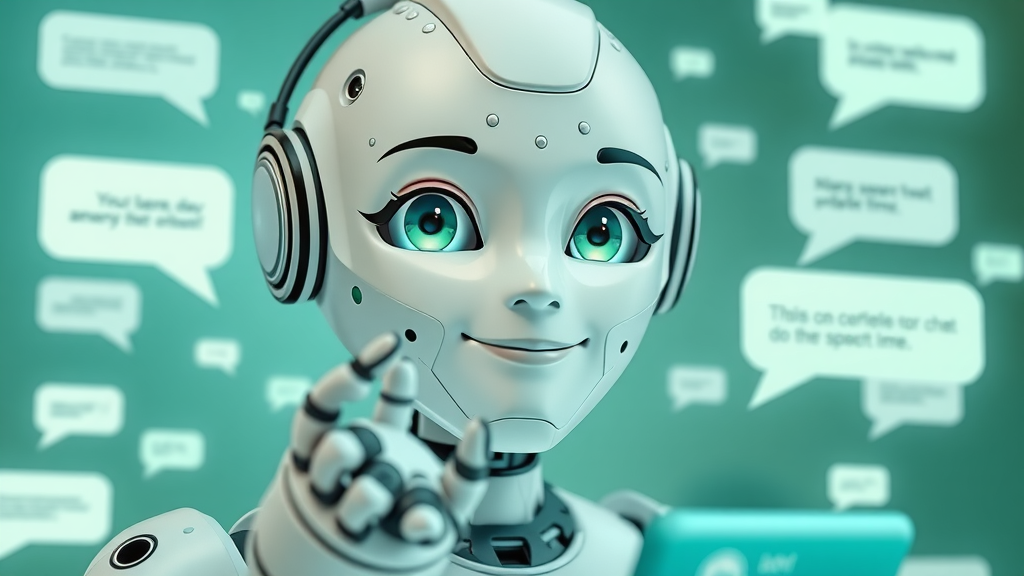
AI Agents as Collaborative Creative Partners
Today, ai agents act as core creative partners—collaborating with human teams in everything from initial brainstorming to final edits. These tools don’t just automate—they advise, offering suggestions and surfacing new content opportunities.
When organizations harness their ai agents for everything from competitive analysis to trend forecasting, they gain creative breathing room. This synergy between technology and imagination produces consistently engaging content that stands out and delivers results.
AI Tools Every Content Creator Should Know
- Content Ideation Tools Powered by AI: Generate fresh ideas based on trending data and audience interests.
- AI-Based Copywriting Platforms: Write drafts, headlines, and ads with consistent tone and accuracy.
- Visual Generation AI Tools: Produce graphics, images, and video assets on demand.
- Editing and Proofreading AI Systems: Polish text for clarity, grammar, and SEO optimization.
- Analytics and Engagement AI Solutions: Track performance and deliver actionable insights for better strategy.
The Global AI Market and Trends in AI-Powered Content Creation
The global AI market is experiencing exponential growth, with billions being invested in ai content innovation. Trends suggest that as AI adoption accelerates, industries are investing in systems that bridge automation with creative direction—ensuring high returns on content investment.
Sectors from healthcare to entertainment are moving to embrace ai-powered content creation , with marketing, publishing, e-commerce, and education leading the way in both innovation and adoption. As user demand for personalized, high-value content rises, so does the importance of maintaining an agile, AI-augmented content strategy.
Current State and Projected Growth of the AI Market
Analysts predict the AI market will reach record-breaking heights in the coming years. The surge is led by new AI models that not only increase speed and output, but also improve the quality of content delivered to diverse, global audiences.
As continuous improvements in machine learning and real-time data processing further lower adoption barriers, experts anticipate a future where AI agents, content tools, and chatbots are standard, driving unprecedented engagement and business growth.
Which Sectors are Leading in AI Adoption for Content?
The sectors reaping the biggest rewards from ai-powered content creation include marketing, publishing, e-commerce, and education. These industries leverage AI to rapidly generate diverse content, implement adaptive learning modes, and deliver tailored communications at scale.
By blending innovation with efficiency, these verticals are setting benchmarks for what’s possible in digital engagement, inspiring organizations of all sizes to speed up their ai adoption in pursuit of similar gains.
| Industry | Adoption Rate | Key Use Cases |
|---|---|---|
| Marketing | 85% | Personalized Campaigns, Analytics, Chatbots |
| Publishing | 78% | Automated Writing, Editing |
| E-Commerce | 80% | Product Descriptions, Customer Chat, Visual Content |
| Education | 67% | Learning Modules, Adaptive Assessments |
“Generative AI will fundamentally reshape every touchpoint of the content lifecycle.” – Tech Industry Analyst
What You’ll Achieve by Adopting AI-Powered Content Creation
- Accelerated and consistent content output
- Data-driven content strategy insights
- Enhanced personalization for diverse audiences
- Optimized content for search and engagement
- Seamless integration across digital channels
Watch: Exploring AI Modes: Adaptive Content Creation Technologies
People Also Ask: Navigating Common Questions on AI-Powered Content Creation
How does AI-powered content creation enhance marketing campaigns?
AI enables marketers to analyze trends, automate repetitive content workflows, and personalize messaging, leading to higher engagement and ROI. By streamlining processes and generating actionable insights, marketing teams become more agile and impactful.
What are the risks of relying solely on AI for content creation?
Over-reliance can result in loss of authentic voice, potential biases in AI models, and issues with originality if not monitored correctly. Maintaining oversight, regular updates, and human touchpoints is essential to uphold quality and trust.
Which industries benefit the most from generative AI in content creation?
Marketing, publishing, e-commerce, and education sectors are among the top beneficiaries of generative AI for content innovation and scale. These sectors leverage AI for adaptive, high-volume, and engaging content customized to audience needs.
Can AI agents collaborate effectively with human creators?
Yes, AI agents can handle repetitive or data-driven tasks, freeing human creators to focus on high-level creativity and strategy. This partnership enhances both productivity and the quality of creative output.
Watch: From Human to Hybrid: Collaborative Workflows Between AI Systems and Content Teams
Expert Insights: FAQ on AI-Powered Content Creation
- What is the primary function of AI models in content creation?
- How do AI tools differ from traditional content creation software?
- What are top considerations when selecting an AI system for content?
- Can AI-powered content creation tools be cost-effective for small teams?
AI models generate, edit, and optimize content using machine learning to ensure consistency, creativity, and engagement.
AI tools use autonomous decision-making and data-driven insights, whereas traditional software relies more heavily on manual input and static processes.
Consider output quality, customization, security, integration capability, and cost-effectiveness when selecting an AI system.
Absolutely—subscription-based AI service models make advanced tools accessible and affordable, even for startups and solo creators.
Embracing the Future: Why AI-Powered Content Creation is Essential for Engaging Audiences
Key Takeaways for Modern Content Creators
- AI-powered content creation transforms efficiency and scale
- Ethical considerations and human input remain crucial
- Collaboration between AI systems and human teams drives creativity
- Businesses of every size can benefit from ongoing AI adoption
“Those who harness the power of AI-powered content creation today will set the standards for tomorrow’s digital landscape.” — Industry innovator
Ready to Transform Your Content Strategy with AI-Powered Content Creation?
Take the Next Step: Evaluate, Experiment, and Evolve With AI Tools and Agents Today
Begin your journey toward greater engagement by testing leading AI tools, customizing workflows, and collaborating with ai agents to push your creative boundaries—your future audience deserves nothing less.
Actionable Next Steps: Audit your current content tools, experiment with at least one AI platform this week, and plan a pilot campaign leveraging ai-powered content creation for measurable results.
