

Did you know that email marketing delivers a $42 return for every $1 spent ? If you think social media is the silver bullet for digital marketing, think again. The most successful brands rely on email marketing campaigns to foster relationships, drive sales, and cultivate unwavering customer loyalty—every single time. This comprehensive guide will reveal how data-driven strategies can turn your email list into a conversion engine, with actionable steps you can implement immediately.

Unlocking Success With Email Marketing Campaigns: Why Every Marketer Should Prioritize This Channel
In a digital landscape overflowing with marketing channels, email marketing campaigns stand out as a proven powerhouse for achieving consistent results. Marketers across industries prioritize campaigns not just for their cost-effectiveness, but for their unique ability to reach people directly—right where decisions are made. Compared to social media algorithms and search engine volatility, emails land squarely in the inbox, offering unfiltered access to your target audience.
Perhaps the most compelling reason to focus on email marketing is the sheer scale: with over 4 billion daily users , email remains the primary channel for both personal and business communication. This presents an unrivaled opportunity for brands to nurture leads, boost engagement, and ultimately drive sales. From promotional blasts to nurturing drips, strategic email campaigns can support every stage of your customer journey.
“Over 4 billion people use email daily—email marketing campaigns are essential for direct communication and ROI.”
The Unrivaled ROI of Email Marketing Campaigns
When it comes to calculating value, few marketing strategies rival the ROI of email marketing campaigns . According to the DMA, businesses garner $42 for every $1 invested, making this channel a budget-friendly favorite. The reason for this lies in precise targeting—email campaigns empower you to personalize, automate, and measure messages with unmatched granularity. Each marketing email can be tailored based on customer behavior, interests, and past purchases, radically increasing the likelihood of engagement and conversion.
Besides financial returns, email campaigns excel in fostering brand loyalty and repeat purchases. You don’t have to gamble on the latest trend or depend on fleeting organic reach. Instead, robust email list strategies ensure your carefully crafted messages land where it matters, contributing directly to customer retention. For savvy marketers focused on sustainable growth, email campaigns are a must.
Why Email Campaigns Outperform Other Marketing Campaigns
Though social media and paid advertising have their place, email campaigns consistently outperform these marketing efforts with superior engagement metrics. While a tweet or post may vanish in seconds, an email sits patiently in a user’s inbox, awaiting action. Not only does email marketing enable direct, trackable contact, it facilitates deeper personalization, ensuring each recipient feels seen and valued.
Automation adds another layer of effectiveness, allowing brands to nurture leads with timely, relevant content—think abandoned cart reminders or birthday incentives. Meanwhile, compared to other marketing campaigns , email enjoys higher open and click-through rates, providing tangible metrics for optimization. The end result? Higher conversion rates, greater customer lifetime value, and a clear competitive edge.
What You’ll Learn in Mastering Email Marketing Campaigns
- Key metrics and analytics for evaluating email marketing campaigns
- Proven copywriting techniques to increase marketing email engagement
- Latest trends and technologies influencing email campaign outcomes
- How to align your email marketing strategy with overall marketing strategy
Understanding Email Marketing Campaigns: Definitions, Types, and Core Concepts
What Are Email Marketing Campaigns?
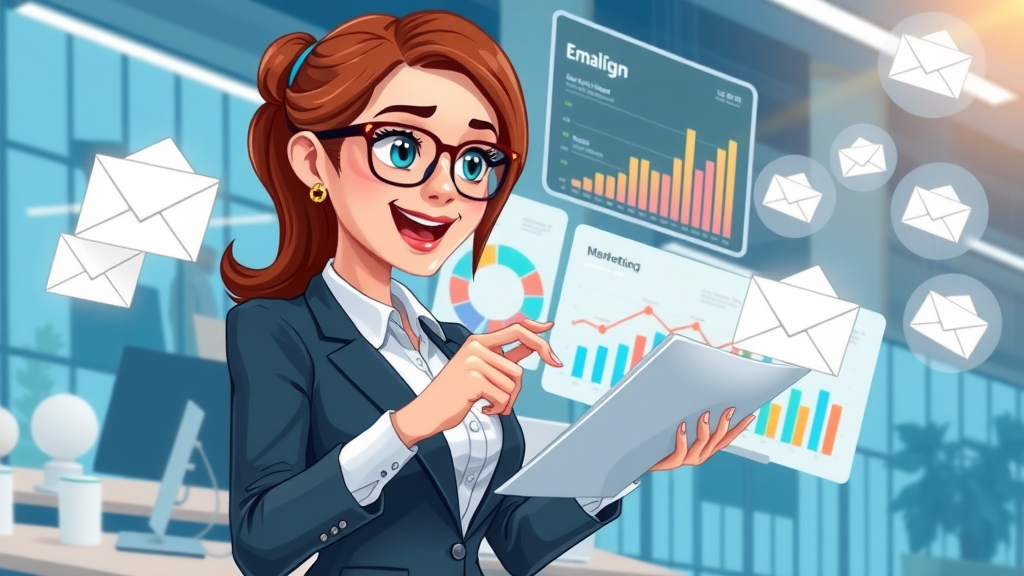
At their core, email marketing campaigns are targeted communications delivered via email to a defined group of recipients, with the ultimate goal of achieving specific marketing objectives—be it driving sales, increasing brand awareness, or fostering engagement. Effective email campaigns involve everything from compelling subject lines and persuasive email copy , to perfectly crafted email templates and smart segmentation. Unlike one-off newsletters, a true campaign is a much more strategic, data-driven endeavor, often involving a series of emails sent over time.
When executed correctly, these campaigns can deliver measurable outcomes, helping brands stay top-of-mind and encourage meaningful actions. Whether your aim is to upsell a product, recover an abandoned cart , or simply keep your audience informed, a well-structured email marketing campaign gives you the flexibility and power to reach your goals efficiently.
Essential Types of Email Campaigns for Every Marketing Campaign
The beauty of email marketing lies in its versatility. There are many types of email campaigns, each suited for different stages in the customer journey and business objectives. Examples include welcome emails to onboard new subscribers, promotional emails aimed to drive sales, abandoned cart emails to recover missed revenue, newsletter campaigns to maintain engagement, and transactional emails that secure customer trust through confirmations and receipts. These categories form the building blocks of effective marketing strategies .
| Types of Email Campaigns | Primary Objectives | Example Use Cases |
|---|---|---|
| Welcome Emails | Onboarding new subscribers | Lead nurturing |
| Promotional Emails | Drive sales and conversions | Product launches |
| Abandoned Cart | Recover lost revenue | E-commerce reminders |
| Newsletter Campaigns | Maintain engagement | Brand updates |
| Transactional Emails | Secure customer trust | Order confirmations |
The Importance of an Effective Email List in Email Marketing Campaigns

The foundation of every successful email marketing campaign is a clean and engaged email list . List quality dramatically impacts your open rates , click-through, and overall campaign effectiveness. Relying on purchased lists or outdated contacts can hurt your sender reputation and lead to poor deliverability. Instead, focus on building organic sign-ups through value-driven lead magnets, double opt-ins, and ongoing list maintenance to prune inactive subscribers.
Segmenting your email list based on demographics, behavior, and interests allows for highly personalized messaging—a must for modern marketing campaigns . This approach yields higher engagement and gives you a better understanding of what resonates with subscribers. Simply put, “the money is in the list” holds true; a well-managed subscriber base transforms your email marketing from a shot in the dark to a precision-targeted revenue generator.
Email Marketing: Best Practices for Campaign Creation and Deployment
Crafting Compelling Subject Lines That Drive Email Campaign Open Rates

The subject line is the first (and often only) impression you make. An irresistible subject line can skyrocket your open rates , while a dull or misleading one can doom your email to the spam folder. Successful subject lines are concise, benefit-focused, and often use personalization. Including the recipient’s first name or hinting at a reward ( discount code , secret offer) lifts engagement. Posing questions, creating intrigue, or sparking urgency (“Last Chance! 24 Hours Left”) are classic methods to boost open rates.
However, testing is crucial—what works for one segment or audience may not land with another. Use A/B testing to compare different subject lines and analyze metrics. Don’t be afraid to incorporate emojis or numbers if they match your brand’s voice. Over time, you’ll discover subject line formulas that earn opens and fuel conversions.
Mastering Email Copy and Templates for High-Performing Email Marketing Campaigns
“A marketing email is only as good as its copy and subject line—test relentlessly.”
Once you’ve convinced a subscriber to open, your email copy must deliver immediate value. Clear, concise, and personable email copy keeps attention, reinforces your message, and leads the reader smoothly toward a call to action (CTA). Use persuasive language, answer customer pain points, and break up text for readability. Well-designed email templates guide the recipient’s eye to the most critical parts—headline, imagery, CTA—ensuring structure and visual appeal.
Consistency is also key; templates aligned with your overall marketing strategy and brand guidelines (colors, fonts, logo) build trust and reinforce identity. Never underestimate the power of white space and compelling visual elements: people process images faster than words, so choose graphics that support your selling points. Finally, always end with a clear CTA: tell the reader exactly what to do next, whether it’s to “shop now,” “download the guide,” or “schedule a call.”
Segmenting Your Email List: Customization for Better Email Campaign Results

Segmentation takes your email marketing campaigns from generic to laser-targeted. By dividing your email list into segments based on location, purchase history, or engagement patterns, you send messages that resonate more closely with each subscriber group. This customization enhances open rates , lowers unsubscribe rates, and dramatically increases the chance of conversion.
For example, send a unique promotion only to users who purchased within the past month, or deliver birthday greetings and special offers based on dates collected at signup. Behavioral segmentation, such as targeting those who clicked but didn’t buy, enables highly relevant follow-ups like abandoned cart sequences. Use your CRM or email platform’s advanced segmentation tools to maximize each campaign’s potential.
Designing Responsive Email Templates to Enhance Engagement
A modern email template must be responsive—ensuring your messages look sharp and function smoothly on both mobile and desktop devices. With over half of email opens happening on smartphones, mobile optimization is essential for maintaining a professional appearance and high usability. Test templates across platforms and screen sizes, paying attention to button visibility, font size, and overall graphic balance. Responsive templates boost engagement, minimize frustration, and offer a seamless experience that reflects positively on your brand awareness .
Incorporate dynamic elements—like countdown timers or animated graphics—to make your emails interactive and eye-catching. Remember, a good email template isn’t just about looks; it’s a strategic vehicle for your message, guiding recipients effortlessly from subject line to CTA. Investing in great design pays dividends by reinforcing your credibility and prompting action.
Personalization Techniques in Email Marketing Campaigns for Higher Conversions
- Use dynamic content for targeted messaging
- Incorporate recipient first names in subject lines and email copy
- Automate behavioral triggers based on user activity
Personalization is more than just adding a name to a subject line . By leveraging user data and behavioral insights, you can craft marketing email content that speaks directly to individual needs. Dynamic content, such as product recommendations, birthday offers, or reminders tailored to specific actions taken on your site, drives higher open rates and conversions. Automated marketing email flows based on browsing habits or past purchase history reinforce relevance and save time.
The more “human” your email feels, the better your results will be. Personalized emails have been shown to deliver a 6x higher transaction rate—so if you aren’t customizing at every opportunity, you’re leaving revenue on the table.
Marketing Campaign Strategy: Integrating Email Campaigns With Broader Marketing Campaigns
How Email Marketing Campaigns Enhance Social Media and Multichannel Strategy

Powerful marketing campaigns take a multichannel approach, with email acting as the backbone. By pairing email marketing with channels like social media , you amplify your reach, reinforce messaging, and produce a cohesive customer journey. For example, share your latest newsletter content on Facebook or Twitter, or invite email subscribers to exclusive events hosted on social media . Conversely, embed social follow buttons within your marketing email to grow your digital footprint.
Analytics show that customers interact with brands across multiple platforms before deciding to purchase. By aligning your strategies, you create more touchpoints and ensure your message sticks. Integrating email with other marketing efforts not only maximizes visibility, but also significantly increases conversions and engagement.
Building Frequency and Cadence: Avoiding Subscriber Fatigue in Marketing Email Sequencing
Striking the right balance in how often you send email is critical for campaign health. Too many emails can result in fatigue and unsubscribes, while too few can make you forgettable. The answer lies in understanding your audience—track open rates , engagement, and feedback to determine an optimal schedule. For most businesses, sending two to four times per month is a healthy starting point, but seasonal spikes or major promotions may require increased frequency.
Test and refine your sending times as your marketing campaign evolves. Automated drip sequences allow for planned, measured contact based on user behaviors and responses. Consistency in cadence builds trust and anticipation—your subscribers should look forward to hearing from you instead of dreading a flood of unwelcome email.
Using Marketing Email Analytics and KPIs to Guide Strategy
| Email Marketing Metrics | Industry Benchmarks | How to Improve |
|---|---|---|
| Open Rate | 20-25% | Test subject lines, sender name |
| Click-Through Rate | 2-5% | Optimize links, calls-to-action |
| Conversion Rate | 1-3% | Personalization, segmenting |
| Bounce Rate | <2% | List hygiene |
| Unsubscribe Rate | <0.5% | Relevant content |
Measuring campaign success goes beyond opens and clicks. Track essential KPIs —conversion rates, bounce rates, and subscriber growth—to gain a full understanding of campaign performance. These insights empower data-driven tweaks, such as improving subject lines or refining segmentation. Remember, even subtle changes can yield major gains, so always let data inform your marketing strategies .
Step-by-Step: Building and Launching Effective Email Marketing Campaigns
Step 1: Define Clear Objectives for Your Email Marketing Campaign
Start with clarity: what do you want to achieve with your email marketing campaign ? Objectives might include driving sales, increasing signups for a new service, or re-engaging dormant users. Defining specific, measurable goals provides direction and enables you to determine later whether your campaign succeeded.
Use your business’s broader marketing strategy as a foundation—align your email goals with overall business goals, whether they are related to revenue, engagement, or brand awareness.
Step 2: Audience Segmentation and List Management for Successful Email Campaigns
Not all subscribers are created equal. Segment your email list based on user data, interests, behaviors, and demographics. Well-managed lists help you deliver more relevant content and offers, optimizing open rates and conversions. Regularly clean your list, remove inactive contacts, and employ a double opt-in for new signups to maintain deliverability and a positive sender reputation.
Intelligent segmentation could mean sending VIP offers to your highest spenders or sending educational series to newcomers—maximizing the impact of every marketing email .
Step 3: Designing Email Templates That Match Your Brand and Marketing Strategy
Visual consistency builds trust. Use branded email templates that reflect your business’s colors, logos, and design language. Make sure every element—from headlines to buttons—supports your campaign objective and guides the reader’s attention. Responsive design ensures your emails perform on every device.
Invest in professional email templates or use customizable ones from your ESP (Email Service Provider). Experiment with interactive features like click-to-reveal offers or animated images to increase engagement.
Step 4: Writing Compelling Email Copy for Email Campaign Engagement
Your words sell. Craft email copy that is direct, emotionally resonant, and benefit-oriented. Use storytelling when possible—share customer testimonials or product success stories that make readers envision themselves as satisfied buyers. The call to action should be crystal clear and positioned strategically within the email for easy conversion.
Keep paragraphs short, make good use of bulleted lists, and include visual elements to make scanning easier. The best marketing email copy is personable and feels like a one-on-one conversation.
Step 5: Setting Up Tracking and Analytics for Every Email Marketing Campaign
Set benchmarks before you launch. Configure your ESP to track opens, clicks, goal completions, and other engagement metrics. Use UTM parameters in your links for in-depth analytics in Google Analytics or similar tools. Regularly review and adjust campaigns based on hard data for continuous improvement.
Reporting dashboards help you identify high-performing content, optimal sending times, and audience preferences so you can replicate successes in future email campaigns .
Step 6: A/B Testing Subject Lines, Content, and CTAs for Continuous Improvement
The smartest marketers never stop experimenting. Use A/B testing to compare different subject lines , email copy , or even CTAs across segments. Analyze which variations yield more opens, clicks, and conversions to refine your approach.
Continuous optimization is the fastest path to more effective email marketing campaigns . Record your tests, implement winning tactics, and keep iterating for the best results.
Visual Walkthrough: Setting Up an Email Marketing Campaign in Mailchimp
Advanced Email Marketing Campaign Techniques: Automation, Personalization, and Triggers
Behavioral Triggers and Automated Sequences in Email Marketing Campaigns

Modern email marketing campaigns leverage automation to deliver the right message at the right time. Behavioral triggers—like opening an email, downloading a guide, or abandoning a cart—can automatically enroll users in targeted sequences. This ensures maximum relevance and allows for rapid response, without manual effort.
Thoughtfully mapped email campaign automation flows can move subscribers through every stage of the funnel, from warm-up to purchase, to post-buy nurturing. Platforms like Mailchimp, HubSpot, or Klaviyo make setting up these triggers intuitive, providing a seamless experience for both marketers and customers.
Personalized Recommendations and Dynamic Content in Email Marketing
- Cart abandonment flows
- Birthday and anniversary offers
- Product recommendation emails
Add another layer of sophistication with personalized product recommendations and dynamic content blocks. If a shopper leaves an item in their cart, an automated reminder can include that exact product—the power of abandoned cart sequences. Likewise, send custom-curated product lists based on user behavior or celebrate a subscriber’s birthday with a unique discount code .
The goal is to “make it easy” for subscribers to take action. Dynamic elements keep your marketing email fresh, relevant, and more likely to inspire clicks.
Integrating Email Campaigns With CRM and Marketing Automation Tools
Integration with CRM and marketing automation software enables a truly holistic approach to marketing campaigns . CRM data powers smarter segmentation and personalization, ensuring that every email campaign is strategic and context-aware. Marketing automation handles the busywork, freeing marketers to focus on creative strategy and testing.
Sync contact lists, track full customer journeys across touchpoints, and automatically update records based on user interactions—this is the future of scalable, sophisticated email marketing .
Legal and Compliance Considerations: Email Marketing Campaigns That Respect Privacy

Understanding GDPR and CAN-SPAM for Email Marketing Campaigns
Staying compliant isn’t optional—regulations like GDPR in the EU and CAN-SPAM in the U.S. dictate how you collect, store, and use customer data for email campaigns . Always secure explicit consent before sending emails, and provide clear privacy policies detailing data usage. Include easy opt-out links and honor unsubscribe requests promptly.
Transparent practices safeguard your reputation and keep your email deliverability high, avoiding costly legal pitfalls.
Managing Unsubscribes and Consent in Every Email Campaign
Consent is the backbone of compliance. Always offer a visible unsubscribe link in every marketing email to make it easy for users to manage their preferences. Honor removals without delay and, when possible, provide options to reduce frequency instead of a total opt-out.
Review and update your processes regularly to adapt to new regulations or platform requirements, ensuring your email marketing strategies remain above board in every territory you serve.
Email Marketing Campaigns: Case Studies and Industry Benchmarks
| Business Type | Email Campaign Outcome | Key Learnings |
|---|---|---|
| E-commerce | 18% more abandoned cart recoveries | Timely triggers |
| SaaS | 3x increase in upgrades | Onboarding walkthroughs |
| Retail | 25% open rate lift | Personalized promotions |
Real-world examples show that email marketing campaigns drive measurable business results. E-commerce stores recover lost revenue with abandoned cart automation, SaaS firms foster upgrades via onboarding flows, and retail brands enjoy higher engagement with personalized offers. The right strategy turns emails from noise into a valuable asset for every marketing campaign .
Case Study: Comparing Different Types of Email Campaigns in Real Businesses
People Also Ask About Email Marketing Campaigns
What are email marketing campaigns?
Email marketing campaigns are targeted, strategic communications sent via email to a defined audience, aiming to achieve marketing goals such as engagement, sales, or brand awareness. They may include newsletters, promotional offers, or a series of emails to nurture leads and drive conversions.
What is the best email marketing campaign?
The best email marketing campaign is one that delivers measurable results—think high open and conversion rates—uses segmentation, compelling email copy , optimized subject lines , and clear calls to action. Standouts include personalized drip campaigns, abandoned cart sequences, and interactive seasonal promotions.
What are the 5 T’s of email marketing?
The 5 T’s of email marketing are Tease (capture attention with your subject line), Target (segment and personalize for your audience), Teach (deliver value), Test (optimize through A/B experiments), and Track (measure your results and adjust accordingly).
What is the rule of 7 in email marketing?
The rule of 7 states that a prospective customer must see your message at least seven times before taking action. Consistent, repeated email campaigns increase brand recall and the likelihood of conversion—making ongoing nurturing critical.
Case Study: Comparing Different Types of Email Campaigns in Real Businesses
Frequently Asked Questions About Email Marketing Campaigns
- How often should I send marketing emails in my email marketing campaigns? You should aim for a frequency that balances visibility with value. Two to four emails per month is typical, but test and adjust based on engagement rates and user feedback to avoid fatigue.
- How can I increase open rates for my email campaigns? Focus on creating compelling subject lines , sending at optimal times, and maintaining a high-quality email list . Regularly clean your list and personalize your content to boost interest and engagement.
- What are key metrics for evaluating success in email marketing? Pay attention to open rates, click-through rates, conversion rates, bounce rates, and unsubscribe rates. These KPIs provide a full picture of how your email marketing campaigns are performing and identify areas for improvement.
Pro Tips for Building Unforgettable Email Marketing Campaigns
- Always use a double opt-in to validate your email list
- Continuously update your marketing strategy based on analytics
- Leverage storytelling in your marketing email copy to drive engagement
“Consistency, creativity, and testing are the backbone of high-converting email marketing campaigns.”
Ready to Launch Unstoppable Email Marketing Campaigns?
- Struggling to Stand Out? Let’s Fix That (Complimentary Strategy Session) Email Us info@alphadogdigital.com
Start refining your email marketing campaigns today—segment, personalize, analyze, and test to build unstoppable growth and ROI.
To enhance your understanding of effective email marketing campaigns, consider exploring the following resources:
-
“10 Effective Email Marketing Strategies” : This article outlines key strategies to optimize your email marketing efforts, including the importance of mobile optimization, audience segmentation, and maintaining a balanced email frequency. ( forbes.com )
-
“15 Email Marketing Campaign Ideas to Boost Open Rates” : This resource provides a variety of campaign ideas, such as abandoned cart reminders, product education emails, and seasonal promotions, to help increase engagement and open rates. ( mailchimp.com )
These articles offer actionable insights and examples to help you craft email marketing campaigns that consistently convert.
