

Did you know that 75% of users never scroll past the first page of search engine results? That eye-opening figure shows just how fierce the competition is—and why on-page SEO techniques are your secret weapon. If you’ve ever wondered how savvy brands dominate online search, keep reading. You’ll discover practical, proven strategies to maximize your page views, land featured snippets, and accelerate organic growth—no guesswork required.
Astonishing Facts: Why On-Page SEO Techniques Are a Game-Changer for Your Website
When executing effective on-page SEO techniques, the results can be nothing short of transformative. Unlike off-page SEO, these strategies place you in the driver’s seat by optimizing internal aspects of your web pages to directly influence how search engines perceive—and reward—your site. For example, properly crafted meta descriptions and title tags can significantly boost your click-through rate and position on the search engine results page (SERP), driving higher-quality, intent-driven traffic straight to your content.
One astonishing impact of well-applied on-page SEO techniques is how they help align your web page content exactly with search intent. This not only pleases search engines but keeps real users engaged, reducing bounce rates and signaling to Google that your site truly deserves to rank higher. When you tailor your website structure, page content, and even alt text for search engine optimization, you harness a set of tools proven to deliver outsized results in organic traffic and user satisfaction.

- In this article, uncover essential page seo and search engine strategies proven to accelerate your success.
Elevate Your Rankings: Core On-Page SEO Techniques for Maximum Organic Traffic
Effective on-page SEO techniques serve as the core foundation for boosting your organic traffic, helping you climb the rankings on search engine results pages. From optimizing your meta description and title tags to harnessing strategic internal and external links, each element plays a crucial role in achieving higher search visibility. Starting with thorough keyword research, you can determine what your audience is searching for and tailor your page content and structure to address those queries specifically.
For instance, when optimizing for featured snippets, you need to ensure your content provides concise, value-packed answers, using well-targeted keywords. This aligns with search intent, making it more likely for your page to receive the coveted spot at the top of the results. Moreover, leveraging proper internal linking strategies ensures visitors (and search engines) can easily navigate your site, increasing page time and reducing bounce rates—all leading to stronger authority in your niche and a continuous growth in organic traffic.
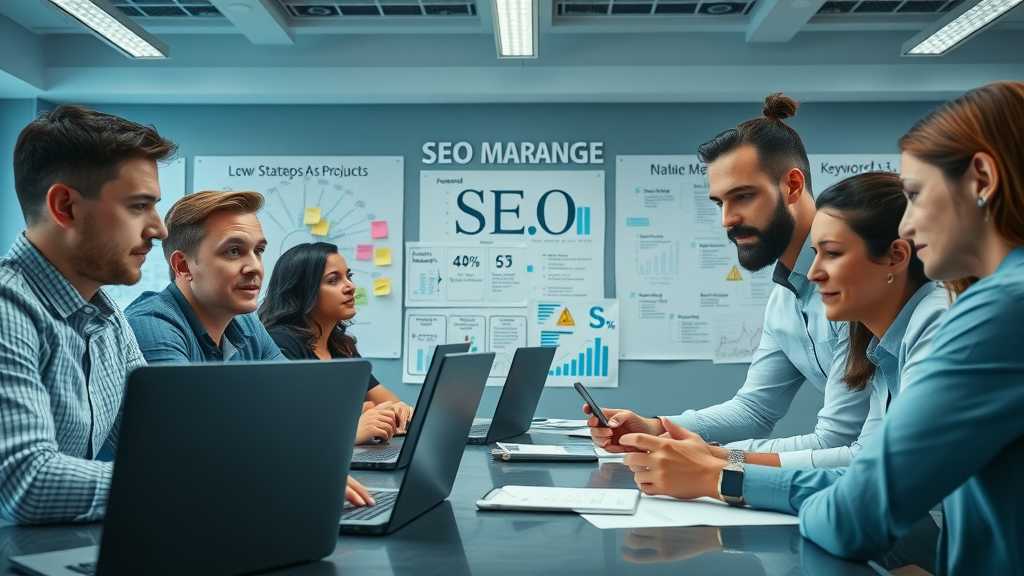
- Key topics include: meta description, title tags, internal links, page seo, keyword research, search intent, and featured snippet.
Mapping the Process: Comprehensive On-Page SEO Techniques Checklist
A well-structured checklist keeps your on-page SEO initiatives on track and ensures no ranking factor is overlooked. The process starts with detailed page content optimization—making sure each web page addresses a specific user intent and includes strategically placed target keywords. Next, you’ll want to optimize every anchor text and alt text for images, ensuring accessibility and search engine clarity. Internal and external links should be both relevant and valuable, boosting authority while guiding visitors naturally through your site.
It’s essential to regularly audit every optimization step on the checklist. Search engine algorithms are ever-evolving, and the best practices for ranking higher often change. Keeping page speed and usability top of mind, alongside continuous monitoring of meta descriptions, headings, and URL structures, ensures your site remains at the forefront of both user experience and search rankings. Regularly ticking off each step is the ultimate recipe for sustainable growth and long-term success in page seo.
| SEO Technique | Impact on Rankings | Best Practice |
|---|---|---|
| Page Content Optimization | High | Align with user intent and use target keywords naturally. |
| Title Tag & Meta Description | High | Write compelling, unique tags with strategic keywords. |
| Internal Linking | Medium | Link to relevant pages with descriptive anchor text. |
| Alt Text for Images | Medium | Describe images accurately, using secondary keywords. |
| External Links | Medium | Reference authoritative, relevant sources. |
| URL Structure | Medium | Keep URLs short, keyword-rich, and readable. |
| Page Speed Optimization | High | Compress images, enable caching, and minimize code. |

- Checklist items include page content optimization, user intent alignment, anchor text, use of alt text, and external links.
Mastering Page SEO: Optimizing Title Tags, Meta Descriptions, and URL Structures
Crafting Compelling Title Tags for On-Page SEO Techniques
Title tags are a fundamental piece of any successful on-page SEO strategy because they tell both users and search engines what each web page is about. To rank higher , your title tags should contain your target keyword naturally and appeal to potential readers by being clear, concise, and relevant. Avoid keyword stuffing, but do place your primary keyword closer to the start of the title to maximize its SEO value.
The best title tags are between 50-60 characters, fit neatly on the results page, and provide a clear benefit or answer. For example, instead of writing “SEO,” specify “10 Proven On-Page SEO Techniques for Organic Traffic.” This not only improves your chances of ranking higher but also increases click-through rates, as your listing stands out with intent and authority.
Remember, the title tag sets expectations for the reader and acts as a first touchpoint between a searcher and your blog post or web page. Invest time in testing and updating your title tags regularly to keep them fresh and aligned with what people are actually searching for, and watch as your organic traffic steadily grows.
Best Practices for Meta Descriptions in On-Page SEO Techniques
Meta descriptions act as a mini-advertisement for your web page on the search engine results page. While they don’t technically serve as direct ranking factors, well-written meta descriptions can significantly boost your click-through rate and overall search visibility. A strong meta description should offer a concise summary of your page content, include the target keyword, and make a compelling promise that encourages clicks.

It’s wise to keep meta descriptions between 150 and 160 characters, ensuring that your key message doesn’t get trimmed in search results. Use actionable language and address the user’s search intent directly within your description, as this alignment is what truly catches the searcher’s attention and signals relevance to search engines. Examples of effective meta descriptions might include phrases like, “Learn expert on-page SEO techniques to skyrocket organic traffic with actionable tips,” directly echoing search trends and questions users are already asking.
Updating meta descriptions regularly helps ensure your pages remain competitive and aligned with the ever-evolving search engine result page standards. A/B testing variations for high-traffic pages can reveal which approach drives the best engagement and conversions, providing valuable insights for your broader SEO strategy.
Effective URL Structures for Enhanced Page SEO
Optimizing your URL structure is another core element of page seo that is often overlooked. A well-constructed URL gives both users and search engines a clear indication of what to expect on your web page. Ensure your URLs are concise, include relevant keywords, and use hyphens to separate words—improving both readability and crawlability.
Avoid using unnecessary numbers, random characters, or deep nested folders within your URLs. A structure like yoursite.com/on-page-seo-techniques communicates instantly that the page is focused on on-page SEO, aligning with both target keywords and user search intent. Shorter, cleaner URLs tend to rank higher and are more likely to be shared across search results and social media.
Regularly audit your website’s URL structure as you add new blog posts and landing pages, ensuring that hierarchy remains logical. By fine-tuning your URLs, you facilitate smoother internal linking, foster better user experience, and ultimately strengthen your site’s visibility and ranking power in search engines.
Effective Internal and External Links: Building Authority with On-Page SEO Techniques
Strategic Internal Link Placement for Stronger On-Page SEO
Internal links are a crucial on-page SEO technique for building topical authority and ensuring visitors spend more time on your website. By linking to relevant pages within your own domain, you help both users and search engines navigate your content ecosystem. Well-placed internal links using descriptive anchor text guide users toward related topics and distribute ranking power throughout your site, boosting the performance of less visible web pages.
It’s important to strike a balance when implementing internal links: only connect to genuinely relevant content, and ensure your anchor text is specific but natural—not forced or repetitive. Maintaining a logical structure of internal linking helps search engines crawl and index your site more efficiently, which can dramatically impact your rankings and organic traffic.
Remember, every internal link is an opportunity to provide value and context to your readers, signaling to search engines the relationships and priorities among your pages. Regularly update internal links in older blog posts to reference your latest content, maximizing the SEO benefit and keeping your site ecosystem fresh and dynamic.
Maximizing the Value of External Links in Your On-Page SEO
While internal links nurture your site’s internal connection, external links to reputable sources lend authority and trustworthiness to your content. When you reference established websites, you signal to search engines that your information is well-researched and credible. These links, especially to sources with strong domain authority, can also expose your site to a wider audience, as these connections may drive referral traffic and partnership opportunities.
Choose your external links carefully—prioritize sites recognized as leaders in your niche, and ensure your references genuinely enhance the reader’s understanding of the topic. Overloading your pages with irrelevant links can look manipulative and may even harm your SEO efforts. Instead, focus on building authoritative, topical connections that align with your audience’s search intent and provide added value to your page content.

Don’t forget to monitor your external links routinely; broken or outdated links not only damage user experience but can negatively impact your ranking factor as well. Using tools to check link health ensures your site remains trustworthy and optimized for both users and search engines.
Using Anchor Text and Alt Text to Enhance On-Page SEO Techniques
Effective anchor text and alt text implementation elevate both your SEO and accessibility. Anchor text—the clickable words in your hyperlinks—should naturally incorporate keywords that provide context about the linked page. This approach helps search engines understand the relationship and relevance between your pages, supporting better rankings and a richer user experience.
Alt text, on the other hand, describes your images for both users with visual impairments and search engines that “read” your page content. Alt text must be concise, accurately reflecting the visual, while offering an opportunity to weave in secondary keywords or clarify content for the algorithm. This not only supports your search engine optimization efforts but also enhances inclusivity and adherence to web accessibility standards.
By optimizing both anchor text and alt text across your blog post and landing pages, you amplify the relevance of internal and external links, increase your chances of appearing in image-based search (e.g., Google Images), and show search engines your on-page SEO techniques are thorough and future-focused.
Keyword Research and Search Intent Alignment: The Cornerstones of On-Page SEO Techniques
Implementing Keyword Research to Drive On-Page SEO Success
Keyword research is the starting line for every successful on-page SEO campaign. Understanding exactly what your audience is searching for, the language they use, and the pain points they hope to solve is crucial for crafting page content that resonates. Start by identifying primary and secondary keywords that have high search volume and are relevant to your niche. Use tools like Google Keyword Planner, SEMrush, or Ahrefs to evaluate potential keywords and gauge the competitive landscape.
Once you’ve selected your target keywords, integrate them naturally into your title tag, meta description, headers, and throughout the main content. Avoid keyword stuffing—search engines now reward context and semantic relevance over sheer frequency. Supplement your main keyword with long-tail variations and related terms to ensure your content covers the breadth of the topic and is optimized for both users and search engines.
Ongoing keyword research is key. Track which keywords are driving the most clicks and update your content to reflect changing trends or new search queries, thereby maximizing your page’s organic traffic potential over time.
Aligning Content with Search Intent for Maximum Visibility
The best on-page SEO techniques are rooted in a deep understanding of search intent—the real reason behind every query typed into a search engine. Whether users are seeking information, comparing products, or ready to make a purchase, your web page must clearly signal that it’s the right answer for their query. Begin by analyzing the top-ranking results for your target keyword and noting what type of content dominates the page—blogs, product pages, or in-depth guides.
Once you know what users want, structure your content around directly addressing those needs. Include clear, relevant sections, actionable takeaways, and concise answers that may be featured as a snippet in search results. By mapping each segment of your page content to the user’s intent, you improve your chances of landing higher positions and even securing the featured snippet spot, capturing ambitious organic traffic for your site.

Regular content audits can reveal mismatches between current content and evolving search intent, offering opportunities to update and realign for improved on-page optimization. This dynamic approach will keep your site agile and consistently competitive in the fast-changing SEO landscape.
Quality Content and Page Speed: Critical On-Page SEO Techniques You Can’t Ignore
Delivering High-Quality Content Using On-Page SEO Techniques
High-quality content sits at the heart of impactful on-page SEO techniques. Search engines reward web pages that offer comprehensive, relevant, and insightful information, while users stick around for content that answers their questions thoroughly. Your blog post or service page should delve deeply into the topic, address all points searched for by your target audience, and deliver a unique perspective that’s not easily found elsewhere.

To maximize quality, format your content for readability with headers, bullet points, and bolded key terms. Incorporate visuals and supporting data where possible, as these elements can help you land featured snippets and encourage sharing on social media. Regularly update old posts to keep the information current—stale content often drops in rankings, making ongoing optimization a vital part of your overall strategy.
Remember, quality content alone won’t guarantee results page success, but when paired with robust on-page SEO tactics—like keyword optimization, internal links, and strong meta descriptions—it becomes an irresistible asset that drives both traffic and conversions.
Optimizing Page Speed for Superior Search Engine Rankings
Page speed is an often underestimated yet critical ranking factor. Search engines prefer web pages that load quickly, as slow-loading sites frustrate users and lead to higher bounce rates. Compressing image file sizes, enabling browser caching, reducing server response times, and leveraging content delivery networks are foundational steps to improve page speed.

Regularly test your website’s performance using tools like Google PageSpeed Insights or GTmetrix. Aim for a load time under three seconds across all devices—especially mobile, which now dominates search queries. A fast website not only delivers a superior user experience but also strengthens your chances of ranking higher on the results page, making page speed optimization a top priority for any serious SEO campaign.
Frequent monitoring and proactive fixes will ensure your gains are maintained, as each additional second of load time can cost precious organic traffic, conversions, and revenue.
On-Page Technical SEO: Advanced Techniques for Modern Search Engines
Enhancing Mobile-Friendliness and Site Usability
With mobile traffic accounting for more than half of all global web activity, ensuring your site is mobile-friendly is non-negotiable for effective on-page SEO. Responsive design allows your site to adapt to any screen size, offering a seamless user experience for both desktop and smartphone visitors. Mobile usability is now a direct ranking factor in Google’s algorithm, making it paramount for modern websites.

Test your site’s mobile usability with tools like Google’s Mobile-Friendly Test, and ensure all buttons, images, and forms function flawlessly. Fix any issues such as text too small to read, clickable elements too close together, or horizontal scrolling. An intuitively designed mobile site not only retains more users but sends positive engagement signals to search engines, multiplying your visibility and reach.
Keep updating your design and site structure to keep pace with evolving user behaviors and device types, sustaining your competitive edge long-term.
Structured Data Markup and Featured Snippet Optimization
Structured data markup is the language search engines use to understand the deeper context of your content. By adding schema.org markup to your web pages, you enhance your chances of landing rich results and featured snippets, which can dramatically improve your organic traffic. Markup for articles, products, FAQs, or reviews can help your listings stand out with stars, images, or expanded information—inviting more clicks from the results page.
Spot featured snippet opportunities by researching common user questions and structuring your content with clear, concise answers, headings, and lists. Use bullet points or tables for step-by-step instructions or definitions, as this format is often favored by search engines for snippet selection. Regularly update your markup as new schema types are released, ensuring your content remains technically optimized for latest SERP enhancements.
Combining structured data with all other on-page SEO techniques creates a powerhouse approach—one that speaks both the language of search engines and the needs of your users for maximum impact.
Monitoring, Measuring, and Iterating On-Page SEO Techniques for Sustainable Growth
Utilizing Analytics to Evaluate the Impact of On-Page SEO Techniques
Sustainable growth in traffic and rankings hinges on carefully monitoring and measuring your SEO efforts. Use Google Analytics, Google Search Console, and third-party platforms to track key metrics such as organic sessions, bounce rates, click-through rates on meta descriptions, and keyword rankings.
Set up custom dashboards to keep all critical data in one place. Look for trends over time, like steady increases in organic traffic or improvements after a major content update. Evaluating the impact of changes provides concrete evidence of what’s working or where you need to adjust.
Regular performance reviews enable rapid iteration of your on-page SEO techniques, making ongoing optimization a process, not a one-off task, and keeping you ahead of competitors who fail to adapt swiftly to new opportunities or search algorithm shifts.
Adapting On-Page SEO Techniques to Algorithm Updates
Search engine algorithms are constantly evolving, introducing new ranking factors and changing the weight of existing ones. To safeguard and grow your visibility, stay informed about major algorithm updates through reputable SEO blogs and official search engine communications. Whenever an update impacts your traffic, conduct a thorough audit of your content, links, and technical SEO to spot areas requiring realignment.
Adapting quickly is crucial. This may involve rewriting meta descriptions, refreshing page content, tweaking internal links, or updating your mobile usability. Cultivate an experimentation mindset—test changes, measure impact, and refine continually. This agile approach ensures resilience against sudden drops in rankings and positions your site for long-term success in the ever-competitive world of organic search.
Remember, flexibility is as important as expertise in the field of on-page SEO techniques. Those who adapt, thrive.
Expert Strategies: Quotes and Insights from Leading SEO Professionals
“On-page SEO techniques aren’t just about rankings—they ensure your content resonates with both audiences and algorithms.” – Jane Smith, SEO Strategist
“Continuous on-page optimization is the cornerstone of outperforming your competition organically.” – John Doe, Digital Marketing Lead
Step-by-Step On-Page SEO Techniques: Actionable Tips for Every Blog Post

- Research target keywords thoroughly
- Optimize title tag and meta description
- Craft in-depth, quality content
- Add relevant internal and external links
- Use descriptive anchor and alt text
- Boost page speed and mobile usability
- Monitor performance and iterate regularly
Visual Learning: Guided Video Series on On-Page SEO Techniques
Visual learners can accelerate their SEO mastery with guided video tutorials covering every aspect of on-page SEO techniques. These step-by-step walkthroughs show real-world examples of keyword research, meta tag optimization, effective linking strategies, and technical fine-tuning for page speed and mobile usability. By following along visually, you’ll quickly build the confidence and skills needed to outperform competitors in organic search.
People Also Ask: Common Questions about On-Page SEO Techniques
What is the on-page SEO technique?
On-page SEO techniques refer to all the optimizations you make directly on your website to improve its ranking in search engine results. This includes optimizing title tags, meta descriptions, content, internal and external links, images via alt text, and technical elements such as page speed and mobile usability. The goal is to help search engines understand your content and deliver a better user experience.
What is the 80 20 rule for SEO?
The 80/20 rule in SEO suggests that 80% of your results come from 20% of your efforts. In on-page SEO, this means that focusing on a handful of high-impact techniques—like crafting quality content, optimizing page speed, and strategically placing keywords—will generate the majority of your organic traffic and search engine rankings, especially when combined with continual optimization.
What are the key elements of on-page SEO?
Key elements of on-page SEO include well-optimized title tags, meta descriptions, strategic use of target keywords, high-quality page content, descriptive anchor and alt text, effective internal and external linking, fast page speed, and a mobile-friendly site structure. Each of these components works together to signal value and relevancy to search engines.
What is on page technical SEO?
On-page technical SEO refers to advanced optimizations involving your website’s infrastructure, like improving page speed, ensuring mobile-friendliness, using structured data markup, and enhancing site usability. These technical aspects help search engines crawl, index, and understand your content efficiently, boosting your chances of ranking higher on the results page.
Frequently Asked Questions on On-Page SEO Techniques
- How often should you update your on-page SEO techniques? – Review and refresh your on-page SEO quarterly or whenever you see a dip in performance or a major algorithm update. Regular updates keep your pages optimized and relevant.
- Are meta descriptions still relevant for search engines? – Yes, while meta descriptions aren’t a direct ranking factor, they affect click-through rates and user engagement, which influence your ranking indirectly.
- What is the ideal length of a page content for best on-page SEO? – Aim for at least 800-1500 words for most topics, but the right length depends on your audience’s needs and the depth required by the search intent. Quality always outweighs sheer quantity.
- How do internal links affect the ranking power of a blog post? – Internal links help distribute authority across your site, guide search engines’ crawling behavior, and keep readers exploring your content longer, thus supporting better rankings.
- Is it necessary to use external links in every post? – Not every post requires an external link, but referencing credible sources strengthens trust and adds value for your readers. Only link when it’s relevant and beneficial.
Key Takeaways: Empower Your Site with Proven On-Page SEO Techniques
- Use targeted keywords strategically in all page content
- Optimize meta descriptions and title tags for higher CTR
- Leverage internal and external links for authority
- Ensure mobile friendliness and page speed
- Continuously monitor and optimize your strategies
Accelerate Your Digital Growth with Advanced On-Page SEO Techniques
Take action now to implement these advanced on-page SEO techniques and set your website on a path toward explosive traffic and stronger search engine visibility. We Make SEO Easy – Get Your Free Strategy Session – Email Us info@alphadogdigital.com
To further enhance your understanding of on-page SEO techniques, consider exploring the following resources:
- “On-Page SEO: Complete Guide and Best Practices for 2024” ( seoboost.com )
This comprehensive guide delves into essential on-page SEO strategies, including the use of proper headings, content optimization with the right keywords, and the importance of adding multimedia to enhance user engagement.
- “On-Page SEO: What It Is and How to Do It” ( semrush.com )
This article provides a detailed overview of on-page SEO, covering techniques such as writing unique, helpful content, placing target keywords strategically, and optimizing URLs to improve search engine visibility.
By incorporating the insights from these resources, you can implement effective on-page SEO techniques to boost your website’s traffic and search engine rankings.
